
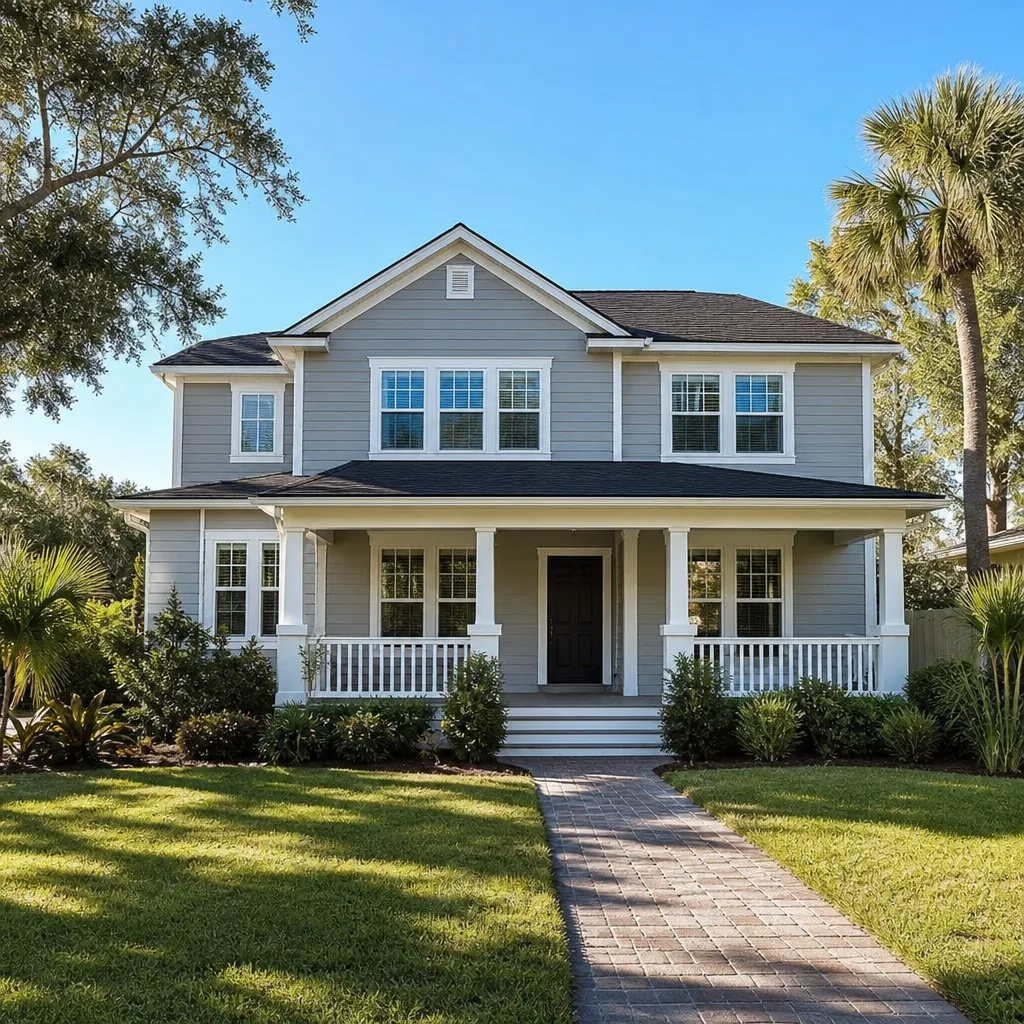
Free written scope consultation - allowances, timeline, and change-order rules on paper before a single trade is scheduled
Cambria Home Additions & ADU: The Orange County Owner’s Guide
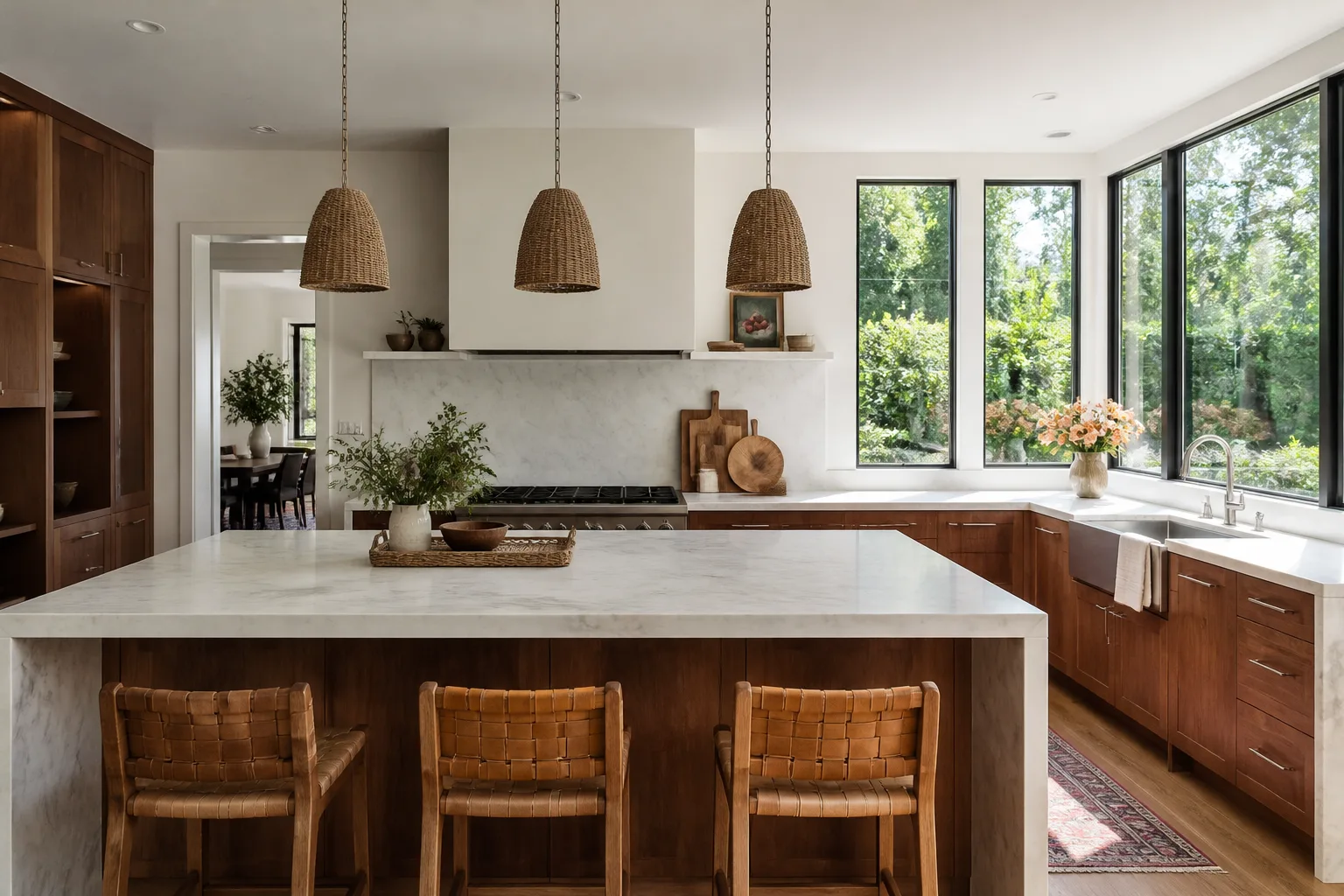
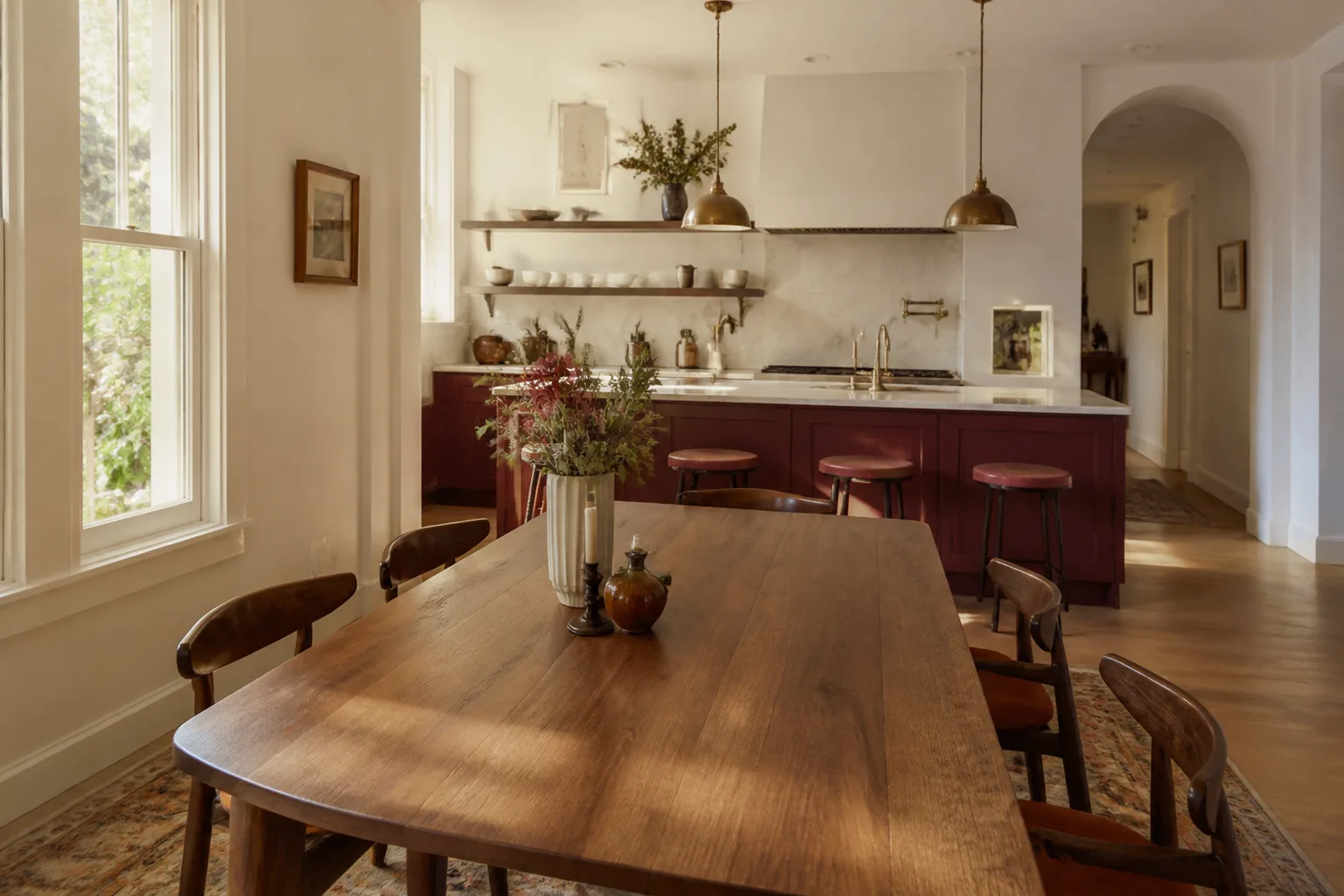
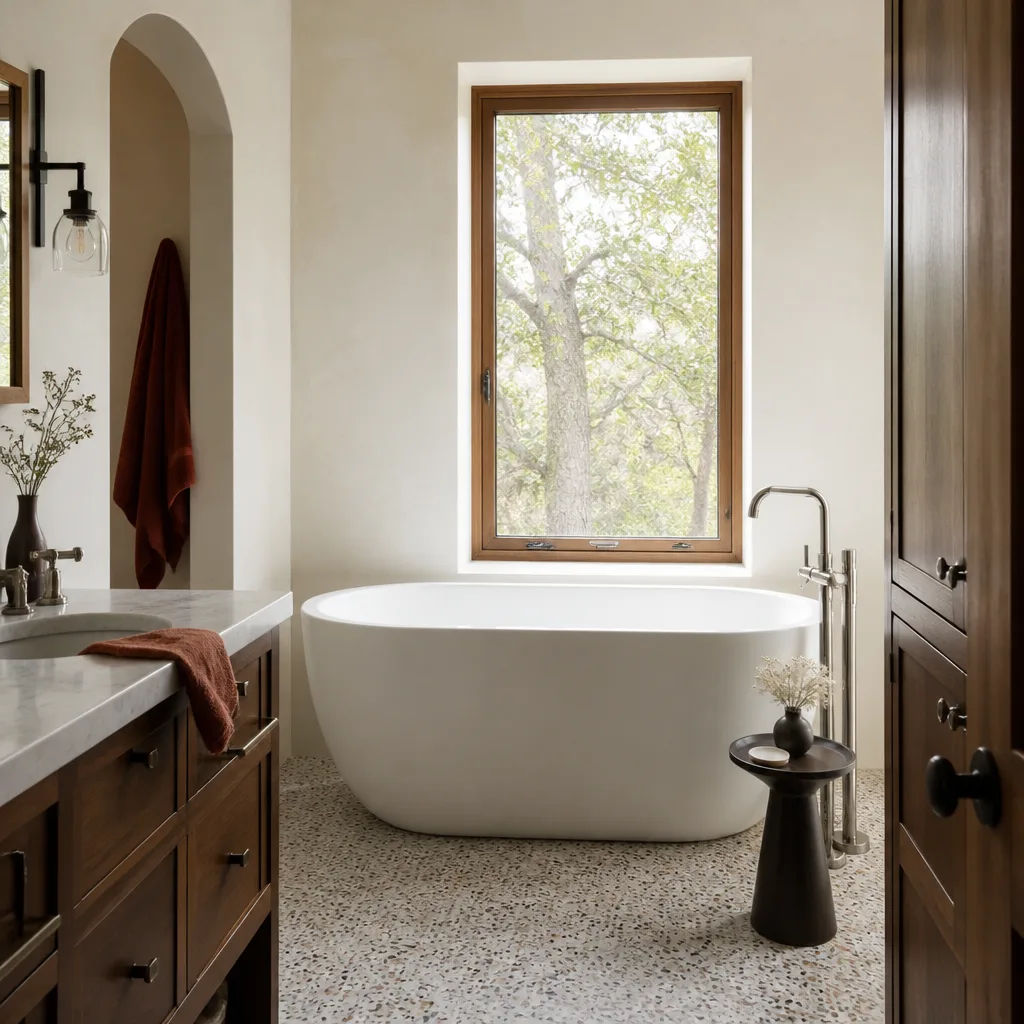
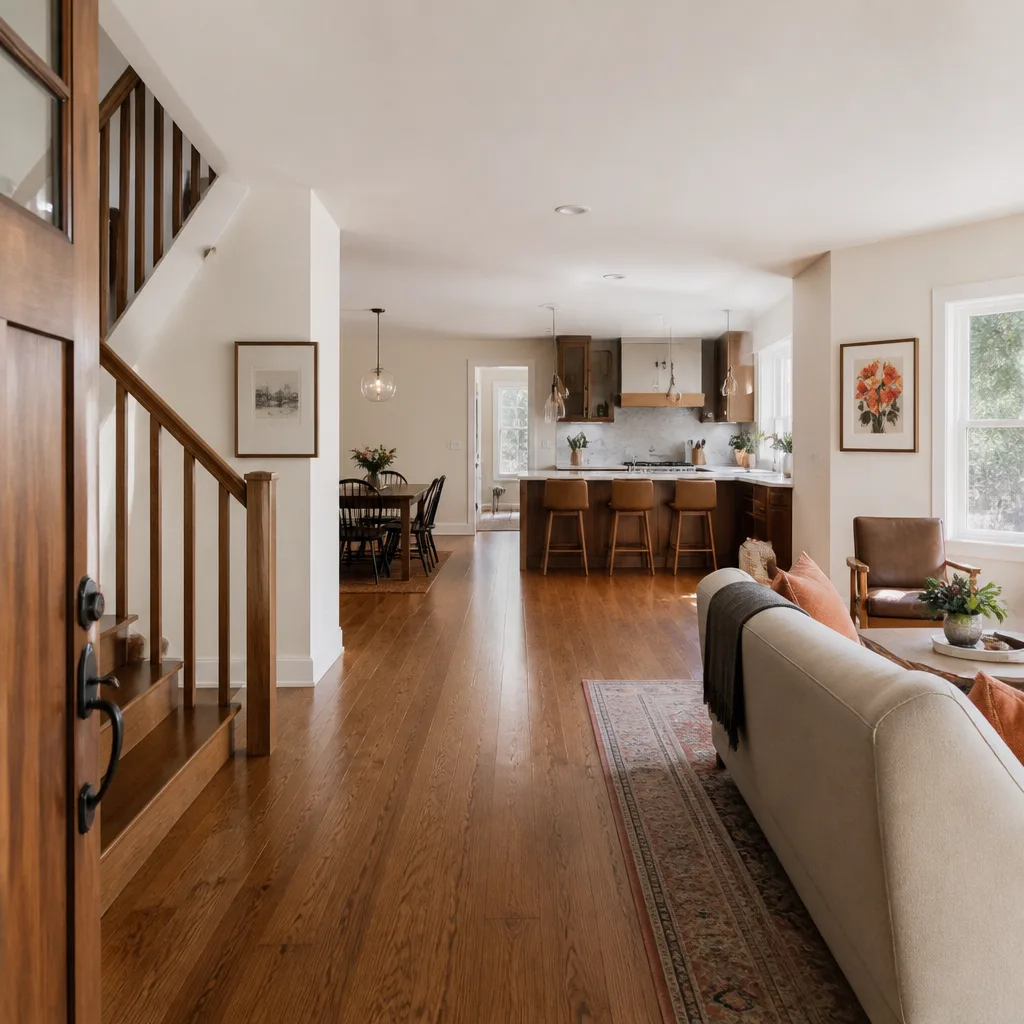
If you’re planning a home addition or ADU in Orange County with Cambria quartz specified for the counters, the realistic budget runs $45,000 – $130,000 for the addition itself, with Cambria countertops typically adding $2,000 – $6,500 to that number depending on square footage and profile. We install Cambria on every addition and ADU we build, and we’ve done enough of them across Irvine, Huntington Beach, and Fullerton to tell you exactly where the money goes and where it doesn’t need to. Most owners call us after a previous contractor’s bid came back vague or after they discovered the quote they got didn’t include the countertop substrate work Cambria actually requires.
Here’s the thing about Cambria in a home addition context: the quartz is rarely the problem. The problem is almost always what’s underneath it. We’ve pulled counters off vanities in newer Anaheim ADUs and found the installer set Cambria directly on particleboard that had already started swelling from bathroom humidity. The slab was fine. The surface under it wasn’t. That’s the difference between a countertop that lasts twenty years and one that fails in three, and it’s why we spec the substrate (the structural layer beneath the stone) before we ever quote the slab.
We’re an independent Orange County general contractor, not a Cambria corporate entity. When you work with us, you get the Cambria product warranty plus our 365-Day Done Right Promise in writing, which covers the installation work we do around it.
Which Cambria Models This Applies To
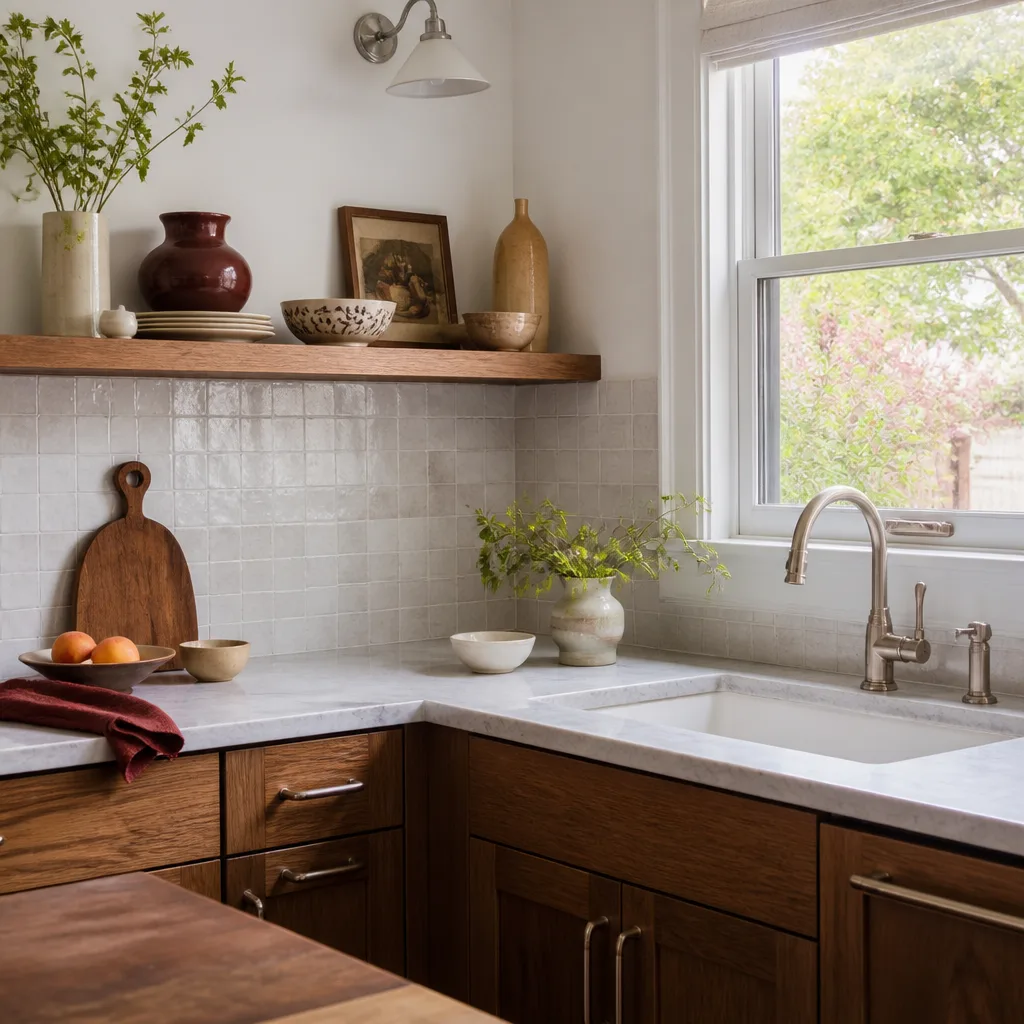
Cambria runs roughly 150+ designs across several collections, and if you’re building an addition or ADU, the ones we order most for Orange County homes are from the Marble, Coastal, and Estate lines. The naming is the usual quartz-vendor thing, evocative and unhelpful: Brittanicca, Torquay, Ella, Swanbridge, Skara Brae. The practical differences are finish (polished or Cambria’s Matte finish, which hides wear better on busy kitchen islands), slab gauge (Cambria runs 2 cm and 3 cm; 3 cm is standard for kitchen counters without a built-up edge), and edge profile options.
The compatibility gotcha most Orange County owners don’t know until it’s quoted: Cambria slabs are jumbo format, 65.5 inches by 132 inches. That’s larger than standard quartz slabs. It matters because a well-planned ADU kitchen or island layout works with that dimension to minimize seams, especially on an island that runs 8 feet or longer. If your designer planned for a standard 56-by-120-inch slab, the seam math changes. We draw countertop layouts against actual slab dimensions before the Cambria order goes in, so you’re not paying for an extra slab because the layout wasn’t optimized.
We also stock and install KraftMaid and Wellborn cabinetry, Silestone and Caesarstone quartz, and Kohler fixtures on these projects, so the Cambria counters land on cabinets that hold them properly.
Styles & brands we work with







Signs Your Cambria Home Additions & ADU Is Failing
- Seam separation where two slabs meet. If you can catch a fingernail on the seam between two Cambria pieces, the adhesive bond is weakening. In Orange County homes without consistent air conditioning in an ADU, heat expansion and contraction speeds this up. It’s repairable if caught before moisture gets in.
- Dark lines or cloudy rings around the sink or faucet. This is water working into the joint between the Cambria and the sink flange. The stone itself isn’t staining; the sealant joint is failing. Left alone, it migrates under the slab and into the cabinet below.
- A counter that rocks or taps hollow in spots. That means the slab isn’t fully supported, either from a substrate that shrank, a cabinet that settled, or an installer who skimped on the adhesive bead. Cambria is a rigid material; unsupported spans under a heavy mixer or instant hot-water tank can eventually crack.
- Chipping along the edge or at corners near a doorway. The edge profile gets bumped during a remodel. Chips are cosmetic but they tell you where the daily traffic pattern is, and they get worse if the edge profile wasn’t finished properly.
- Quartz feeling warm to the touch in an unexpected spot. If part of your Cambria counter stays warm after the sun shifts off it, you may have a heat source from below, or a heat register blowing directly on the underside. Sustained heat over 300°F can discolor resin-based quartz, and vents under counters are a real culprit in Orange County ADU kitchens.
See the difference
 Before
 After
After Before
 After
After Before
 After
AfterReplacement Cost & What’s Included
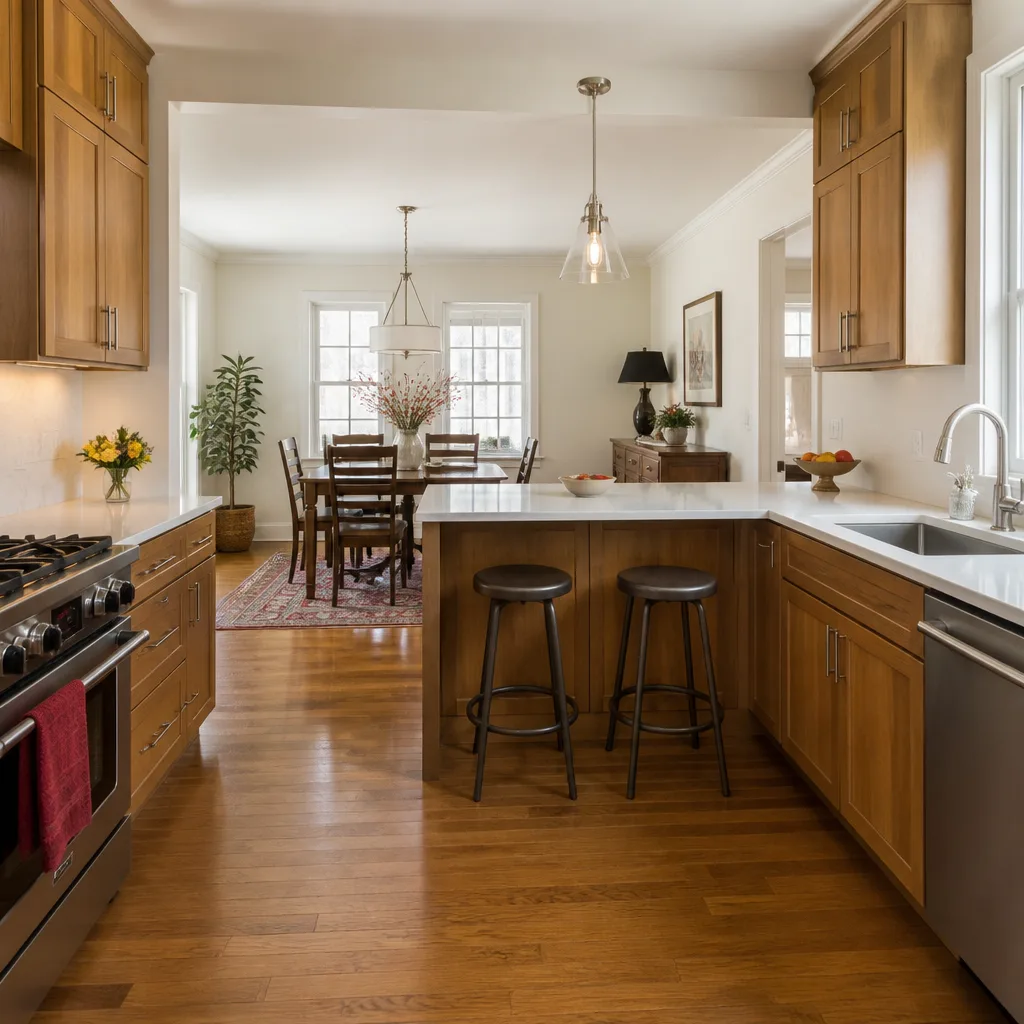
In Orange County, a full Cambria countertop package for an addition or ADU kitchen typically runs $2,000 – $6,500 installed, and that spread is driven by three things: total square footage, edge profile (a simple eased edge costs less than a waterfall island edge), and whether the substrate beneath the old counters needs to be replaced. On the broader project, a home addition runs $45,000 – $130,000 and an ADU runs $90,000 – $220,000 in this market, with the countertop line item sitting inside that. We charge by the square foot, slab count, and fabrication hours; the quote lists each separately so you can see what the stone costs versus the cutting and install.
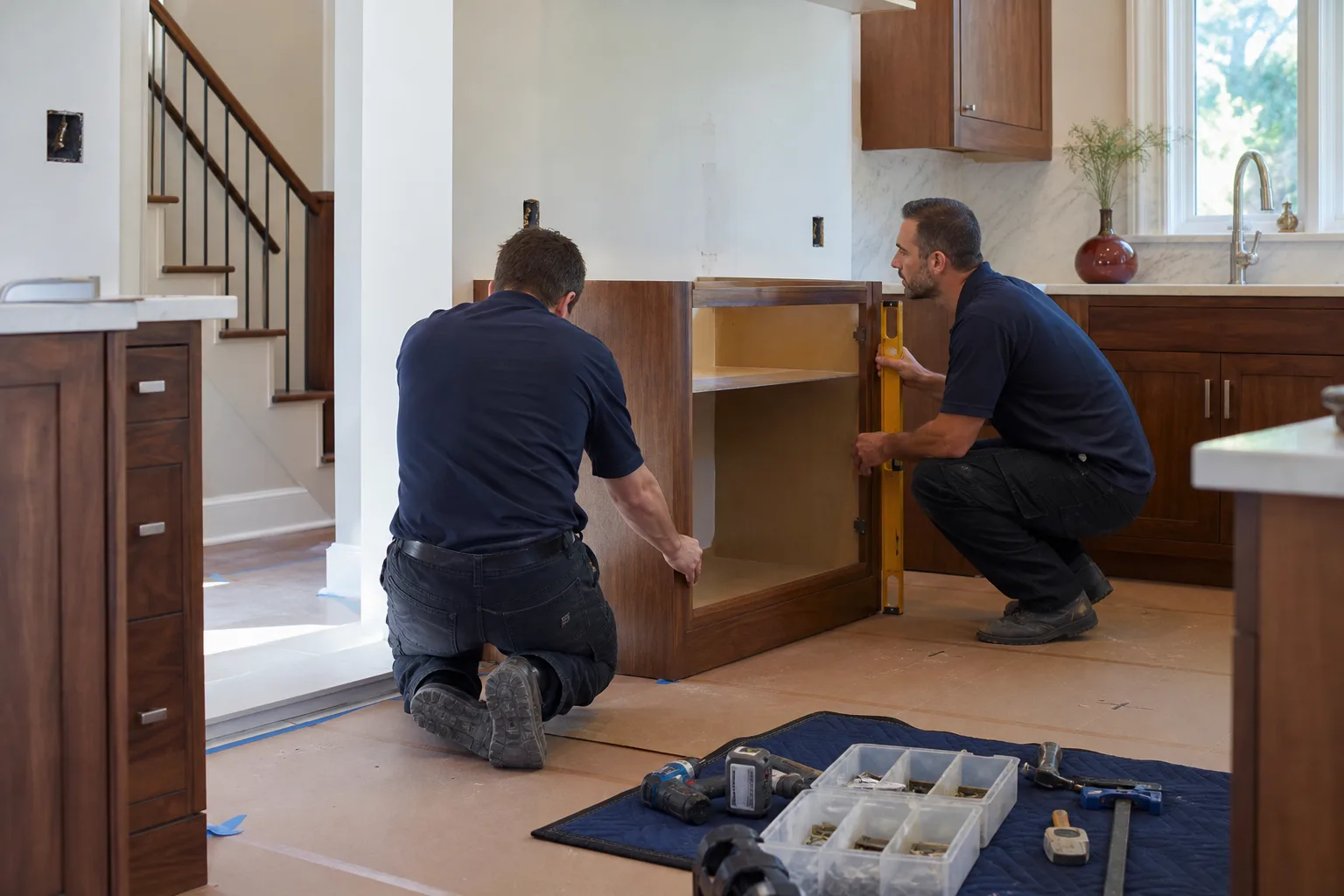
Every countertop install includes removing the old surface, inspecting and replacing the substrate where needed, templating for the Cambria slab, fabrication, seam adhesive, silicone joints, and cleanup. Our written price is the price. If the scope changes, we put the change in writing before any added work starts, no surprise line items at the end. The workmanship is covered under the 365-Day Done Right Promise, and Cambria’s product warranty adds years on top for the slab itself.
If you have a failing countertop from a previous contractor and the failure is in our work, we come back and fix it at no charge, no re-inspection fee. Free second visit, in writing.
DIY or Call Us?
Cambria quartz is extremely heavy, roughly 10 to 12 pounds per square foot. A standard island slab can weigh 400 pounds or more, and moving one without the right clamps, suction cups, and a second set of hands is how you get crushed fingers or a cracked slab. We say this plainly: the removal and installation of quartz counters is not a solo weekend job, and attempting it without panel carriers and a laser-leveled template is how a $4,000 slab becomes a $4,000 mistake.
What you can do is assess the problem and call us with useful information. Check whether the slab rocks by pressing along the edges. Look at the seams with a flashlight. Note where water pools or where you hear a hollow tap. Take a photo of the edge profile and any chips. Then call (424) 541-1701, and we’ll walk through what you’re seeing while the information is fresh. Trevor Nash and our team have been doing this in Orange County long enough that we can usually diagnose a countertop over the phone and give you a written estimate before we’ve even made the site visit.
FAQs
Cambria quartz regularly lasts 20 to 25 years or more when installed over a sound substrate, and the company’s transferable lifetime warranty covers manufacturing defects. The Orange County wildcard is heat: quartz resin can discolor under sustained high heat, so we recommend trivets for anything coming straight off the stove, especially in an ADU kitchen without much ventilation.
A small edge chip or a seam that’s separating can usually be repaired in place with color-matched resin filler, and the repair is often undetectable. A crack that runs across the slab can’t be reliably repaired; the structural stress that caused it will re-crack the surface. We’ll tell you honestly which one you have and quote the practical fix either way. Call (424) 541-1701 for an exact assessment, estimates are free.
From template to finished install, most Orange County Cambria replacements take 2 to 3 weeks. The templating visit happens once the old counters are off and the substrate is verified, then the slab is cut, fabricated, and delivered for a one-day installation. Rush orders are possible depending on the fabricator’s schedule, but we’d rather set a realistic window than promise something the slab yard can’t hold.
We order Cambria slabs per project against your exact layout and selected design. Quartz slabs are too large and too varied by design to keep dozens in stock, and ordering per job means you get a slab from the same production run with consistent veining and color. We work with local Orange County Cambria distributors who maintain good inventory, so lead times stay predictable.
Our workmanship is covered by the 365-Day Done Right Promise, in writing on every project. If a seam separates, the slab shifts, or anything we touched fails inside that year, we come back and fix it at no charge. Second visit is free, no re-inspection fee, no argument. Give you the number first, then pick up the tool.
If you’re pricing out a Cambria countertop for a home addition or ADU in Orange County, call (424) 541-1701 for a free written estimate. We’ll give you a real number, a real arrival window, and the 365-Day Done Right Promise in writing before any work starts.
Written by Trevor Nash, Owner, Penhallow Remodeling Orange County at Penhallow Remodeling Orange County, serving Orange County and nearby areas.


