







Free written scope consultation - allowances, timeline, and change-order rules on paper before a single trade is scheduled
CGI Bathroom Remodeling: The Orange County Owner’s Guide
CGI bathroom remodeling in Orange County typically runs $9,000 – $28,000 fully installed, depending on the scope, materials, and what we find once the old fixtures come out. If you’ve got a CGI product that’s failed or a bathroom that’s past its useful life, we stock the common parts and have direct experience matching what’s in older Orange County homes to available replacements. Most owners discover the problem the same way: a slow leak that worsens, a shower valve that won’t hold temperature, a vanity that’s delaminated at the base, or a tub surround that’s cracked where the caulk keeps pulling away.
Here’s the reality of CGI-branded bathroom work in Orange County: the name on the fixture isn’t the problem. The problem is usually what happened during the original install, or what’s behind the wall. We’ll get into that below, including what fails first, what it costs to fix, and how to tell whether you’re looking at a repair or a full bathroom remodel.
Which CGI Models This Applies To
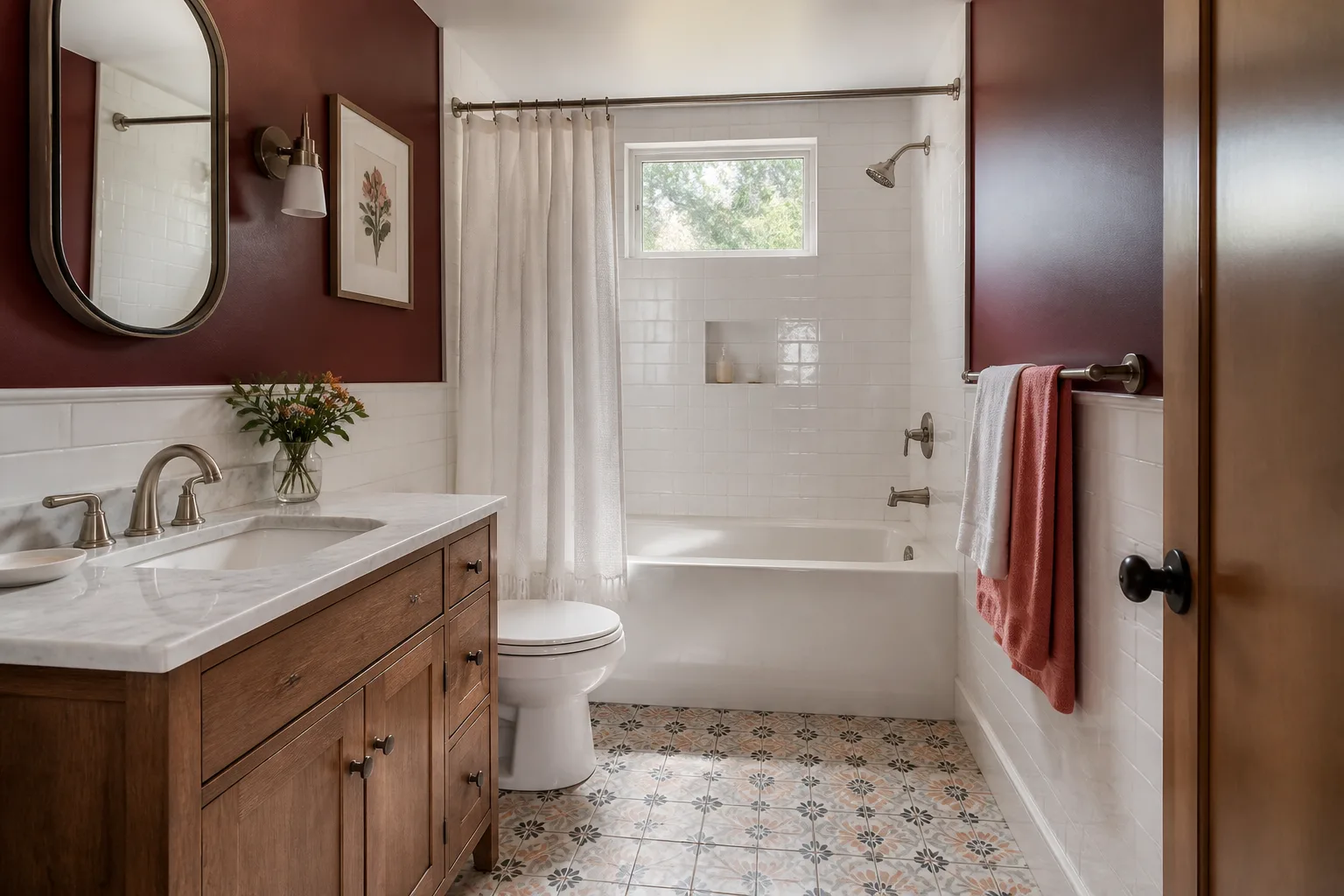
CGI bathroom products in Orange County homes span a wide range of vanities, tubs, shower surrounds, and faucet sets, and the critical step on any repair or remodel is identification. The label inside the vanity door or on the back of the tub apron gives you the series number, and that tells us the wall-mount pattern, the drain configuration, and which trim kits fit. Skip the label and you can end up with a faucet that threads but sprays wrong, or a vanity top that overhangs where the old one didn’t.
Two things catch Orange County owners off guard. First, CGI trim kits from the mid-2000s often used proprietary cartridge interfaces, so a Moen or Delta cartridge won’t seat even if it looks close. We keep the common OEM cartridges and a handful of quality aftermarket equivalents on the truck, and we’ll tell you straight which one makes sense for your fixture. Second, many CGI tubs installed in 1990s-era Orange County tract homes were set directly onto slab without a mortar bed, and the flex eventually cracks the acrylic. You won’t see that until the tub’s pulled.
Penhallow Remodeling Orange County is an independent remodeler and installer. We’re not affiliated with CGI, but we’ve worked on enough of their product in this market to know what fits and what doesn’t. While we’re on the subject of brands: we also work with KraftMaid, Cambria, and Silestone products regularly when a repair tips into a remodel.
Styles & brands we work with







Signs Your CGI Bathroom Remodeling Is Failing
- Shower valve won’t hold temperature. The cartridge is worn or the pressure-balancing spool is failing. In Orange County’s hard water, mineral scale accelerates this, and a valve that’s fine in a soft-water market can seize within a decade here.
- Water staining at the tub surround seams or baseboards. The seal between the CGI surround and the tub deck has failed, usually because the original installer caulked over a gap instead of closing it. Water has been wicking behind the panel, and what you see at the baseboard is just the bottom of the damage.
- Vanity door or drawer face delaminating. Bathroom humidity in Orange County coastal zones is relentless, and MDF-core doors without sealed edges swell at the bottom corners. Once the laminate lifts, it won’t glue back flat.
- Tub flexes or creaks when you stand in it. The tub wasn’t set in a mortar bed, and the acrylic has been flexing against the slab. That flex eventually becomes a crack, usually right at the drain or the apron radius.
- Musty smell that never clears. Water has been getting behind a wall or under the tub deck long enough to grow what you can’t see. By the time you can smell it, the substrate (the moisture-resistant layer behind your tile or surround) needs real work, not a re-caulk.
See the difference
 Before
 After
After Before
 After
After Before
 After
AfterReplacement Cost & What’s Included

A complete CGI bathroom remodel in Orange County runs $9,000 – $28,000. If you’re looking at a targeted fix rather than a full tear-out, the math changes: a tub-to-shower conversion runs $3,500 – $10,000, walk-in shower installation $4,500 – $12,000, and a vanity installation $800 – $3,000. The spread comes down to three things: what’s behind the wall once we open it, the finish level you choose (porcelain tile vs. engineered stone, chrome vs. brushed nickel trim), and whether plumbing needs to be relocated.
Every job gets a written number before any work starts. That number includes parts, labor, disposal, and the written 365-Day Done Right Promise. If something fails inside the guarantee period, we come back and fix it at no charge. No service call, no re-inspection fee, no argument. That’s the whole point of the Kingswell Way, and it’s been the standard since 2004: say the price before the work, show up in the window we gave, leave the place cleaner than we found it.
DIY or Call Us?
Some things are safe to check yourself. You can read the label on your vanity or tub to get the series number before you call. You can shut off the water at the fixture stops and tighten a loose escutcheon plate. You can note where water stains start and when the valve started acting up. That kind of detail helps us quote accurately over the phone.
What you shouldn’t do is pull a tub surround or open a wall behind a shower without knowing what you’re looking for, because the water damage in a failed CGI install is rarely where the leak shows. You can’t seal a crack in a flexing acrylic tub from the top, and once the substrate is compromised, the fix is not a heavier bead of caulk. If you try and it fails again in a month, you’ll have spent good money on the same problem. Call (424) 541-1701. We’ll give you the number first, then pick up the tool.
FAQs
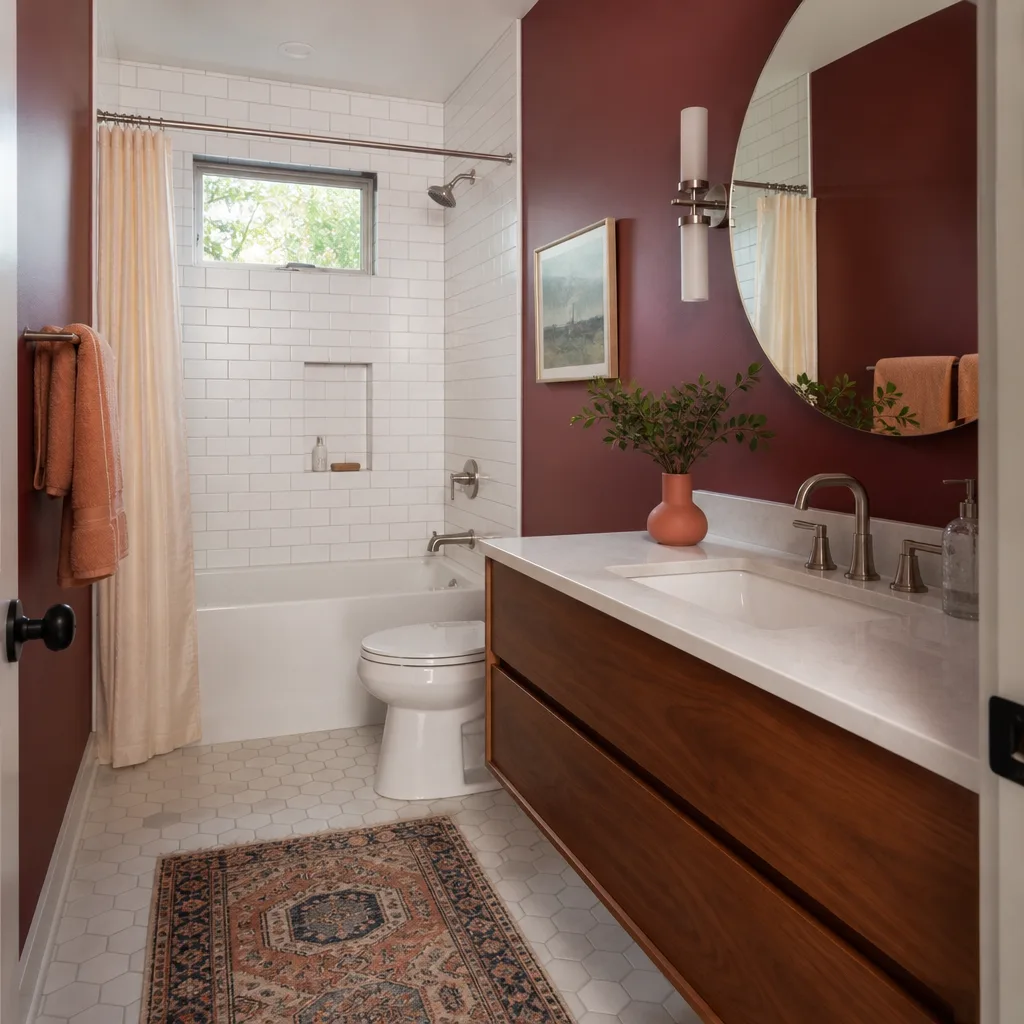
In Orange County, a correctly installed remodel should go 15 – 20 years for tile and fixtures before normal wear catches up, and a vanity should last 20-plus. The kicker is water management: a surround that’s properly sealed over a solid substrate will outlast one installed over green board by a decade. Call (424) 541-1701 for a free assessment of what’s still sound and what isn’t.
Sometimes. A delaminated vanity door can often be replaced as a single component if the series is still available, and a shower valve cartridge is a routine fix. A flexing tub or a leaking surround is a different story: those almost always point to what’s behind or beneath, and a surface repair won’t hold. Call (424) 541-1701 and describe what you’re seeing; we’ll tell you which one you’re looking at.
Most single-bath remodels run 2 – 4 weeks from the first day of demo to final cleanup. A tub-to-shower conversion is usually 5 – 7 working days, and a targeted vanity or valve replacement is typically a one-day job. The variables are tile work, plumbing changes, and whether we find water damage that needs to dry out or be replaced. We’ll give you a written schedule with the written price, so you know what to expect before demo day.
We stock the high-failure items on the truck: common CGI shower cartridges, pressure-balancing spools, and trim fasteners. Oddball vanity door profiles and specific tub surrounds are ordered once we confirm the series number, usually arriving within a week. If we tell you it’s a two-visit job, the second visit is built into the first quote, not a surprise line item.
Written by Trevor Nash, Owner, Penhallow Remodeling Orange County at Penhallow Remodeling Orange County, serving Orange County and nearby areas.


