
Free written scope consultation - allowances, timeline, and change-order rules on paper before a single trade is scheduled
CWS Home Additions & ADU: The Orange County Owner’s Guide
Most Orange County homeowners who call us about a CWS home addition or ADU aren’t starting from zero. They already have plans, a partial build, or a structure that’s not quite working: permits stalled, a foundation poured wrong, or a design that doesn’t fit the setback rules for their lot. We step in, assess what’s there, and give you a written price to finish or correct the work. In Orange County, completing or fixing a CWS home addition typically runs $45,000 to $130,000 depending on square footage, foundation condition, and how far along the existing work is. We’re Penhallow Remodeling Orange County, an independent contractor. We’re not affiliated with CWS, but we work on their builds regularly.
Which CWS Models This Applies To
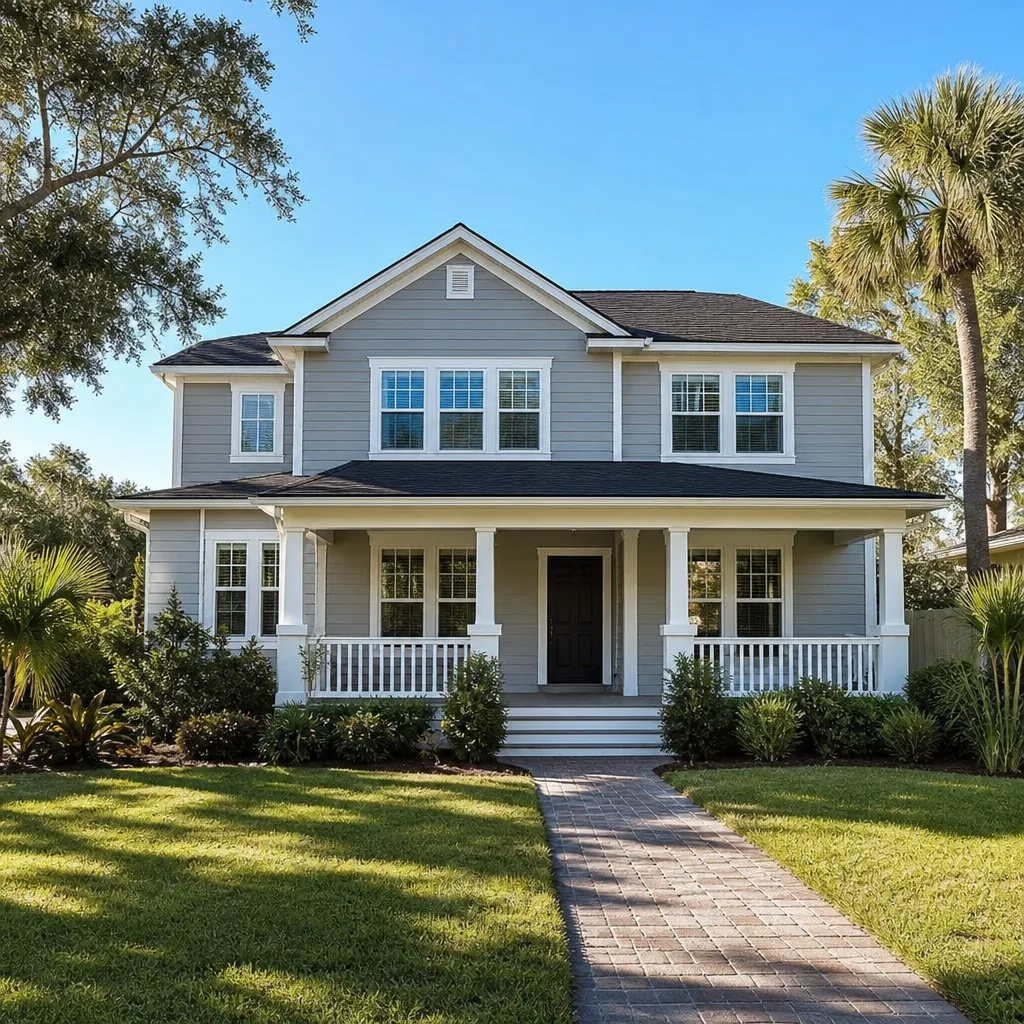
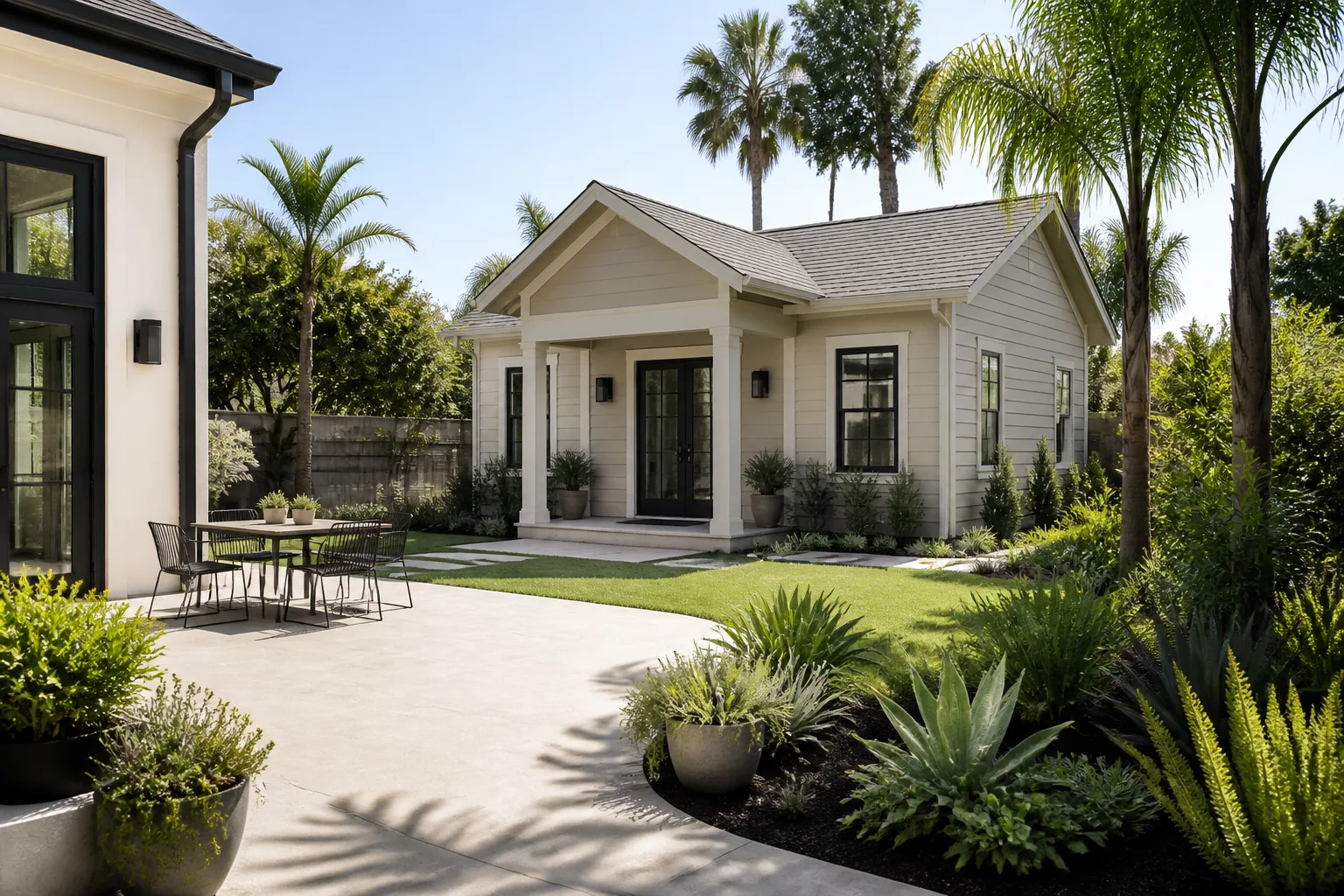
CWS home additions and ADUs in Orange County fall into a few broad categories: detached accessory dwelling units, attached room additions, second-story additions, and garage conversions with living space above. The compatibility question isn’t a model number. It’s about what got built, what got permitted, and what’s still open with the city. If you have the approved plans, bring them to the first meeting. If you don’t, we can pull the permit history with the city’s building department – Irvine, Santa Ana, Huntington Beach, Anaheim, wherever the property sits in Orange County.
The CWS builds we see most often in older neighborhoods, like the 1980s and 90s tracts around Irvine’s Spectrum area, tend to have one thing in common: the original scope grew faster than the documentation. That’s not a judgment. It’s just what happens when a homeowner adds a powder bath to an ADU plan, or widens a hallway after the foundation is in. The fix is almost always a re-submitted plan set and a field inspection to match what’s in the ground to what’s on paper. If you’re deciding between working from the original CWS spec and starting fresh, the honest answer is that a field measurement beats both.
Styles & brands we work with







Signs Your CWS Home Addition or ADU Is Failing
- Drywall cracks at the seam where the addition meets the original house. This usually means differential settling: the new foundation is moving at a different rate than the old one. In Orange County’s clay-heavy soils, this shows up within the first two rainy seasons.
- Doors and windows that stick or won’t latch. When the frame has shifted even a half inch, the door slabs bind. This is structural movement, not a hinge adjustment.
- Water staining at the roofline where the ADU ties into the main structure. Flashing failures at the transition are the most common source of leaks in attached CWS additions, and the fix usually means pulling shingles or tile back to inspect the underlayment.
- Permit notices taped to the door or letters from the city. If the work was never signed off, you have a compliance problem before you have a construction problem. We’ve corrected open permits for Orange County homeowners who bought a house with an unpermitted CWS ADU attached to the sale.
- Floor slope you can feel when you walk the room. A quarter-inch drop over four feet is noticeable. A half-inch is a foundation issue. Either way, it’s worth a level check before you spend money on finishes.
See the difference
 Before
 After
After Before
 After
After Before
 After
AfterReplacement Cost & What’s Included
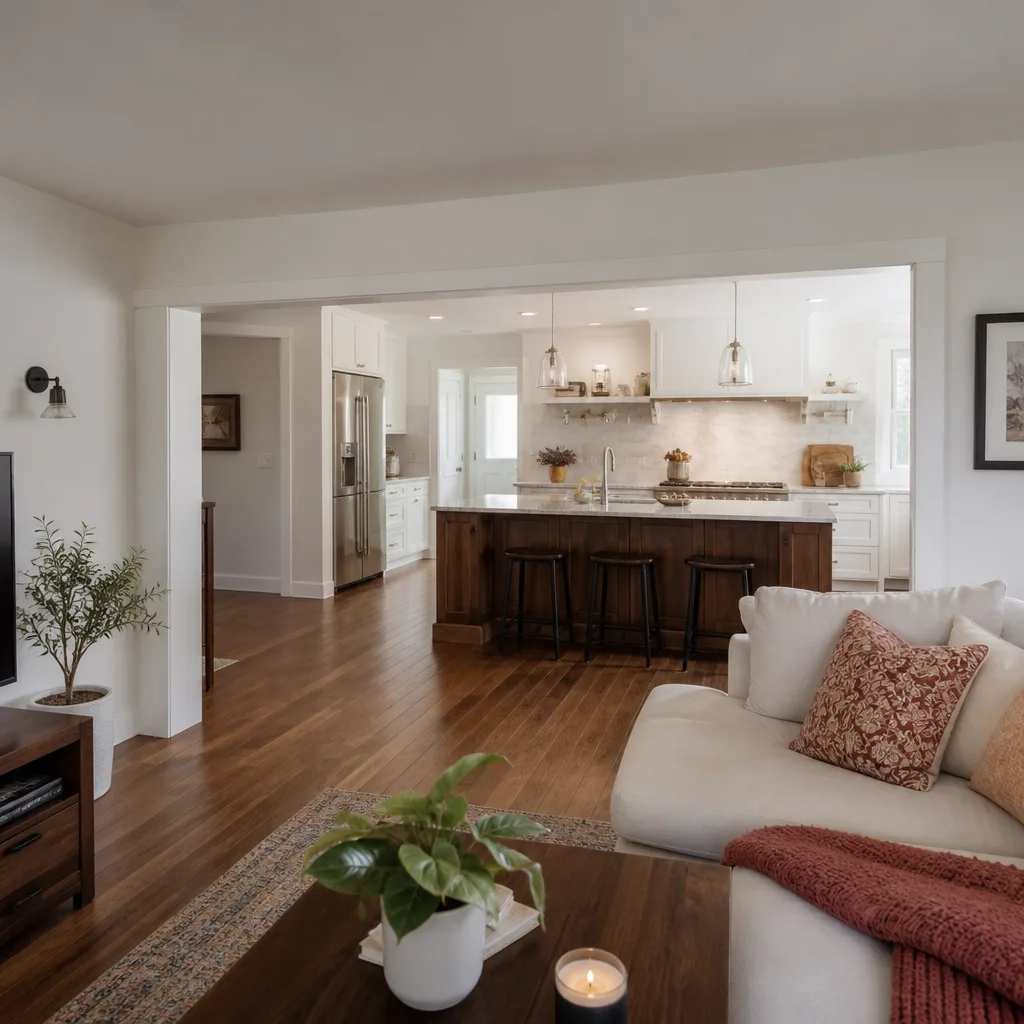
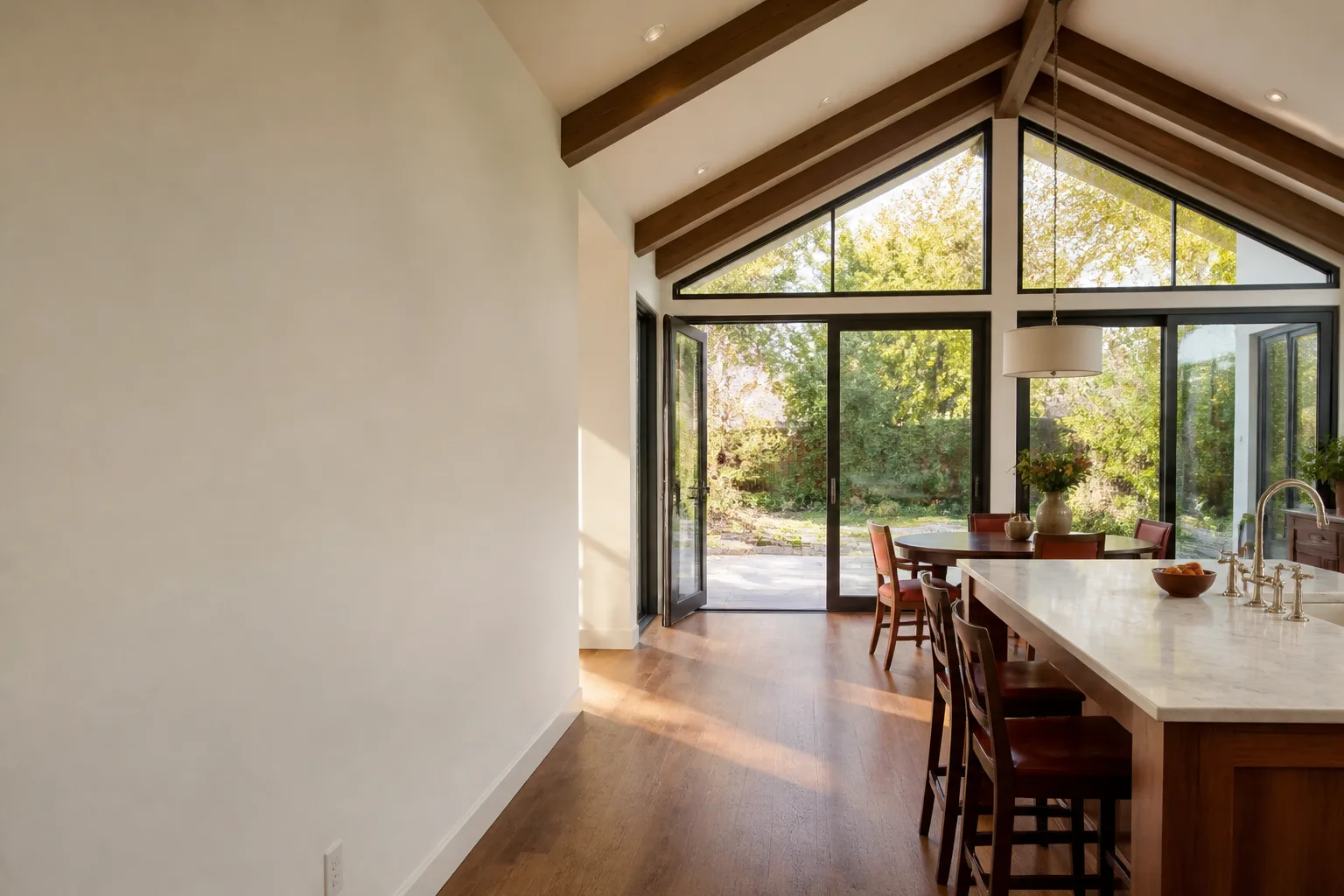
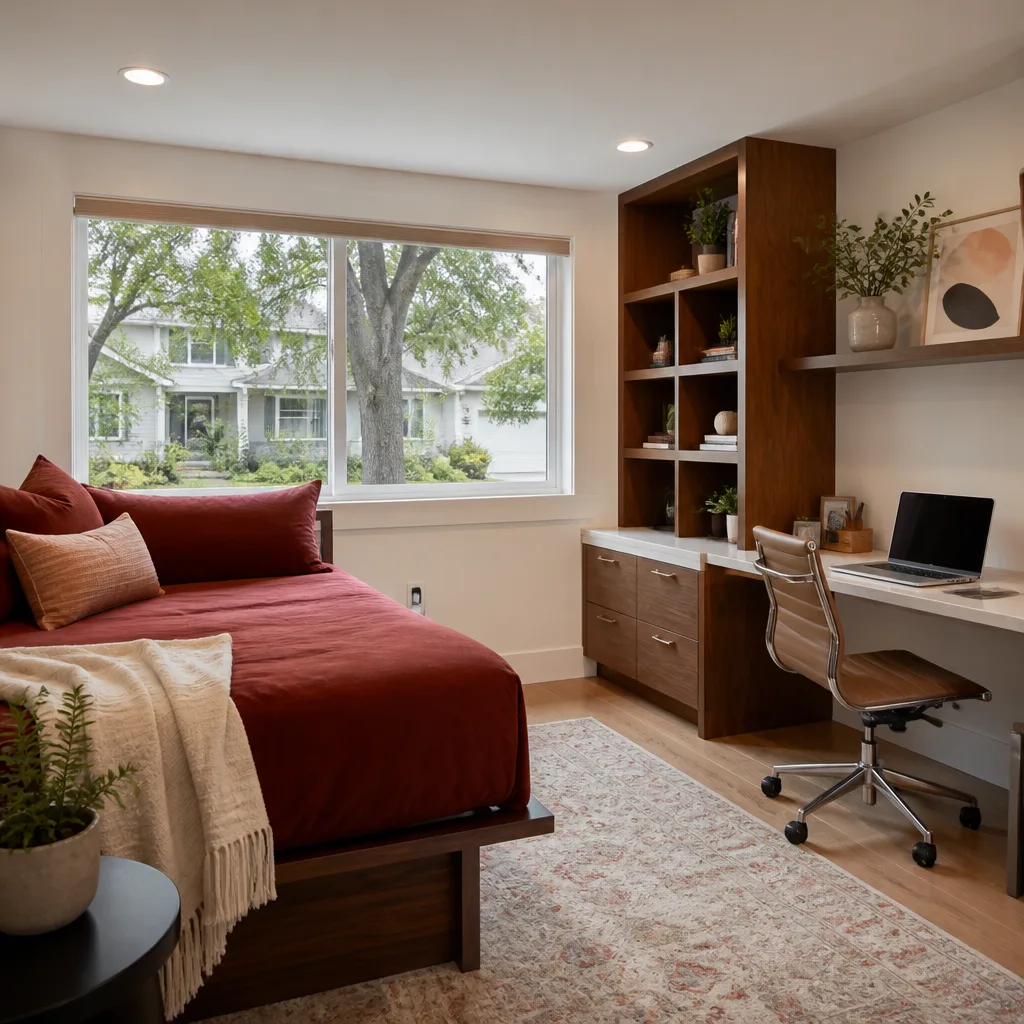
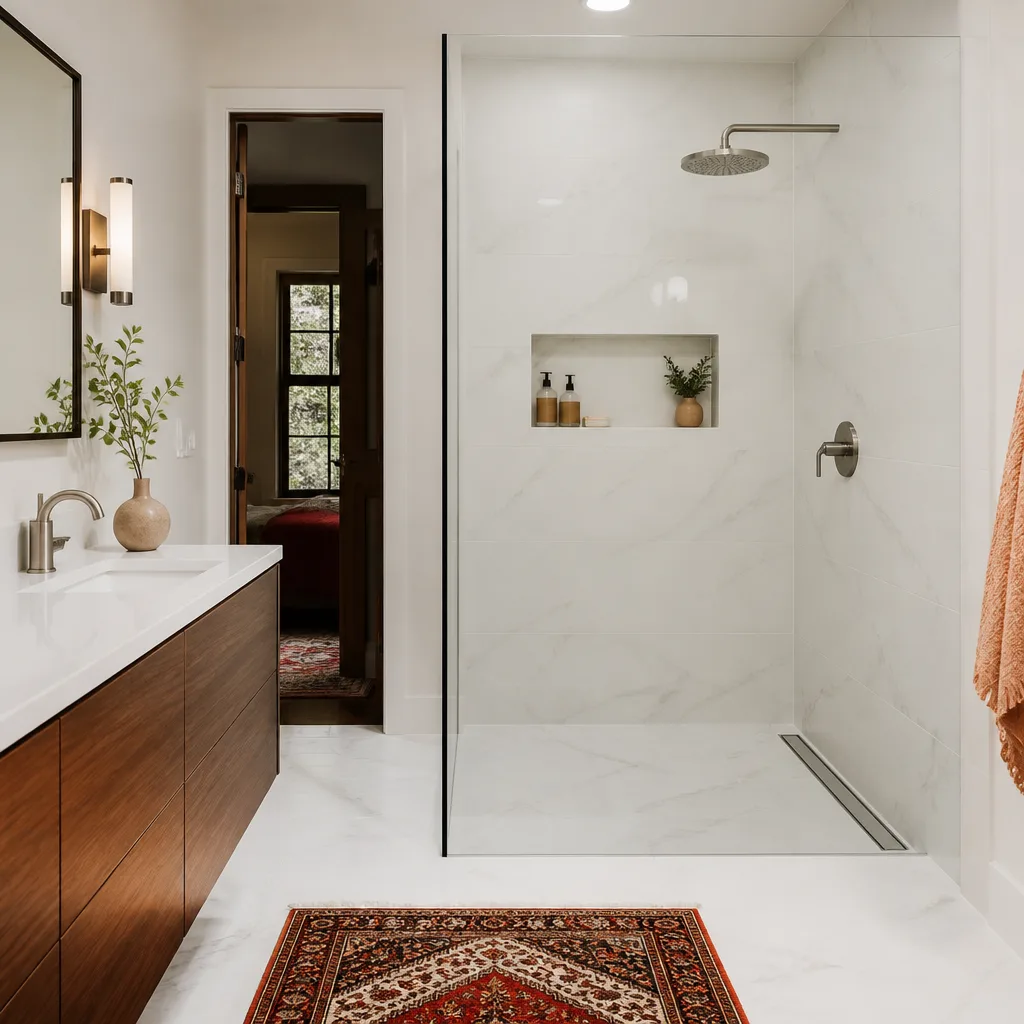
For an Orange County CWS home addition or ADU correction, installed pricing lands between $45,000 and $130,000. The range is driven by three things: the size of the structure, what has to be demolished or rebuilt, and the finish level you’re after. A straightforward 400-square-foot ADU with basic finishes and a simple foundation repair might sit at the lower end. A 1,000-square-foot second-story addition with custom cabinetry, quartz counters, and full re-plumbing will climb toward the top.
What’s included in our price: written scope of work, permit drawings if the city requires them, all demolition, framing, drywall, electrical, plumbing, HVAC where needed, paint, and final inspection coordination. The price we give you before work starts is the price on the invoice. No change orders because we guessed wrong on lumber. No “unexpected condition” markup. If we find something the plan didn’t show, we stop and talk to you before spending another dollar.
And because we operate under the Kingswell standard, every job carries our 365-Day Done Right Promise: if something fails inside a year, we come back and fix it at no charge. In writing. Trevor Nash grew up in the San Gabriel Valley and learned the trade at Los Angeles Trade-Technical College before managing crews across Southern California. He’s the reason we give you the number first, then pick up the tool.
DIY or Call Us?
If you’re looking at a CWS addition with floor slope, wall cracks, or water intrusion, what you can safely do yourself is limited. You can mark the crack locations with painter’s tape and check back in a month to see if movement continues. You can note which doors bind and whether it gets worse after rain. What you should not do is open up walls or pull up flooring to “take a look.” The structural components behind those finishes – load-bearing framing, shear walls, foundation anchors – aren’t something to expose casually. If the wrong member gets cut, an addition can shift enough to crack the roof line in a week.
This is one of those cases where calling a licensed general contractor first saves money. Pick up the phone at (424) 541-1701. Tell us what you’re seeing. We’ll tell you whether it needs an inspection or just a level check, and the estimate is free either way.
FAQs
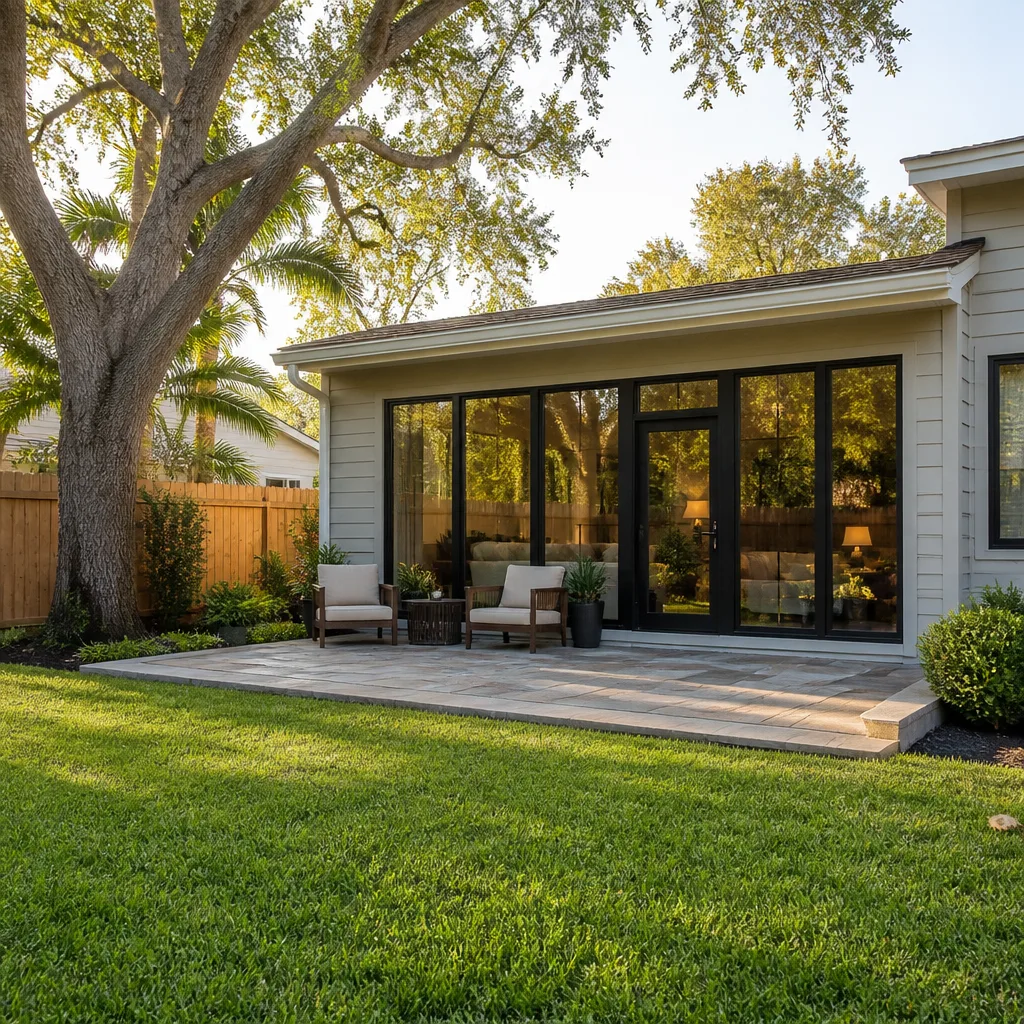
A properly built addition should last 50 years or more in Orange County, provided the foundation was done right and the roof flashing at the transition was installed correctly. The weak points are almost always water intrusion at the seam and soil movement under the slab. A good build with regular gutter maintenance should hold for decades.
Most of the time, it can be repaired. Foundation lift work, reframing, reflashing, and drywall repair are all standard fixes. Demolition only makes sense when the structure was built without permits to the point that bringing it up to code costs more than starting over. Call (424) 541-1701 and we’ll assess what you actually have before you decide anything.
Plan for 8 to 16 weeks depending on scope. A simple interior correction might be 4 to 6 weeks. A full ADU build from foundation to final inspection usually runs 12 to 16 weeks. We give you a written schedule with the written price, so you know both before we start.
We don’t stock CWS-specific structural components, but we source framing lumber, drywall, roofing, and finish materials from recognized trade brands across Orange County. That includes James Hardie siding, KraftMaid and Wellborn cabinetry, Cambria and Silestone countertops, and Kohler or Moen fixtures. We also work with KraftMaid, Cambria, and Silestone product lines specifically because they hold up to the heat and sun exposure common in this part of California. If your CWS build was planned around a specific cabinet or counter line, tell us and we’ll match it.
Written by Trevor Nash, Owner, Penhallow Remodeling Orange County at Penhallow Remodeling Orange County, serving Orange County and nearby areas.


