

Free written scope consultation - allowances, timeline, and change-order rules on paper before a single trade is scheduled
Quikrete Home Additions & ADU: The Orange County Owner’s Guide
We plan, permit, and build Quikrete-based home additions and ADUs across Orange County, with most projects landing between $45,000 and $130,000 depending on square footage, foundation work, and interior finish level. If you already have a Quikrete product in your foundation, stem walls, or slab and you’re seeing cracks, spalling, or moisture wicking through, the failure usually traces back to improper curing, a bad mix ratio on the original pour, or missing vapor barrier underneath the slab. Most Orange County homeowners call us when a grinder or inspection turns up a failing Quikrete substrate, or when the existing concrete is too compromised to build on without correction.
Which Quikrete Models This Applies To
Quikrete doesn’t make a product called “Home Additions & ADU,” so let’s be direct about what we actually work with. The Quikrete products that matter on an addition or ADU project in Orange County are their structural concrete mixes, specifically Quikrete 5000 (rated at 5,000 psi), Quikrete Crack-Resistant Concrete Mix, and their ProFinish 5000 for slab caps and stem walls. These are the bags you’ll see staged on job sites across Irvine, Tustin, and Mission Viejo when a foundation is going in. The compatibility gotcha most homeowners miss: Quikrete 5000 and Crack-Resistant mix cannot be used interchangeably for structural stem walls without an engineer’s sign-off. The 5000 carries the higher compressive strength, while Crack-Resistant includes reinforcing fibers that don’t replace steel rebar. We specify based on what the structural engineer’s drawings call for, and we don’t substitute without a revised stamp.
OEM vs aftermarket matters less with Quikrete than with mechanical parts, but it still matters. The bagged mix you buy at a big-box store in Orange County is the same formulation as what a supply yard delivers, but storage conditions change everything. A bag that sat in a damp Anaheim warehouse for six months will clump, lose strength, and fail a slump test. We source from supply yards that turn inventory weekly and we check the date code on every pallet before it goes into the mixer. If you’re trying to figure out what’s under your existing slab, look for a Quikrete stamp or bag remnant near the pour line. Your city permit records, which Orange County cities keep on file, will sometimes list the mix spec.
Styles & brands we work with







Signs Your Quikrete Home Additions & ADU Is Failing
- Hairline cracks running in a grid pattern across the slab. This is almost always a curing issue, water left on the surface too long or the mix poured too wet. It’s cosmetic until it’s not, if water gets in and rebar starts corroding, the crack widens and becomes structural.
- Spalling, which means the surface is flaking or popping off in chunks. In Orange County this often traces back to salt exposure in coastal cities like Huntington Beach or Newport Beach, where chlorides eat into the concrete and pop the surface loose.
- Efflorescence, that white powdery film, showing up repeatedly on the slab edge or stem wall. That’s moisture moving through the Quikrete and carrying minerals with it. It tells you the vapor barrier failed or was never installed, and water is actively wicking through your slab.
- A hollow sound when you tap the concrete with a hammer. That means the slab has delaminated from the base, typically from a poorly compacted subgrade below the Quikrete pour. Orange County’s clay-heavy soils in parts of Irvine and Lake Forest make this common when the dirt wasn’t properly engineered before the pour.
- Cracks wider than 1/8 inch with vertical displacement on one side. One side of the crack sits higher than the other. That’s not a surface issue, that’s differential settling and it means the Quikrete slab is no longer acting as one structural unit. You need an engineer’s eyes on it before you build anything on top.
See the difference
 Before
 After
After Before
 After
After Before
 After
AfterReplacement Cost & What’s Included
In Orange County, correcting a failed Quikrete slab or pouring a new foundation for an addition or ADU runs $45,000 to $130,000 depending on whether we’re doing a partial lift and repour, a full slab replacement, or a complete build including framing, electrical, plumbing, and finish. Smaller fixes, like a stem wall repair or a slab cap over a compromised area, can run $8,000 to $25,000. What drives the number up: access to the pour site, soil conditions under the slab, whether the existing concrete needs full removal and haul-off, and whether city inspectors require engineered plans. What’s included in our price, always in writing before any work starts: the demo, the haul-off, the rebar or mesh, the Quikrete mix to spec, the pour, the finish, and the curing period. If anything we do fails inside 365 days, we’re back to fix it at no charge. That’s the Penhallow Done Right Promise and it’s written into every project we do in Orange County.
DIY or Call Us?
You can safely check a few things on your own. Is there a date code on any leftover Quikrete bags near the pour? Are the cracks wider than a credit card edge? Is there standing water pooling on the slab after rain? After that, you’re into territory where a wrong call costs real money. Mixing and pouring structural concrete is not a weekend project, and in Orange County, any foundation work on a permitted addition or ADU requires a licensed contractor and city inspections. We’ve torn out plenty of homeowner pours that looked fine for a year and then cracked because the subgrade wasn’t compacted or the rebar wasn’t chaired up. Trevor Nash has been looking at these failures for decades, starting with his training at LA Trade-Tech and continuing through years of Orange County projects in neighborhoods where 1980s slabs are now being asked to carry ADUs they were never designed for. Give you the number first, then pick up the tool. Call (424) 541-1701 and we’ll look at what you’ve got, tell you what it needs, and put it in writing.
FAQs
A properly mixed, poured, and cured Quikrete slab in Orange County should last 50 to 80 years before structural concerns appear, but that assumes the vapor barrier was installed, the subgrade was compacted, and the mix wasn’t poured too wet. Coastal salt exposure in Huntington Beach or Dana Point cuts into the surface layer faster, which is why we recommend a penetrating sealer on any exposed Quikrete on the coast. Call (424) 541-1701 and we’ll tell you honestly whether your slab is aging normally or failing early.
Yes, if the crack is hairline, not moving, and not showing vertical displacement, we can repair it with epoxy injection or a slab cap rather than a full tear-out. If the crack is active, meaning it opens and closes with the seasons, or if one side sits higher than the other, the repair won’t hold and you’re looking at replacement at a higher cost later. We’ll tell you which one you’re looking at before we quote a dollar figure.
The actual pour is one day. The process around it, excavating, forming, rebar inspection, pouring, finishing, and the 7-day curing period before framing starts, runs about two weeks on a typical Orange County ADU. Weather rarely delays us, but city inspection scheduling in places like Irvine and Santa Ana sometimes does. We factor that into the timeline we give you in writing.
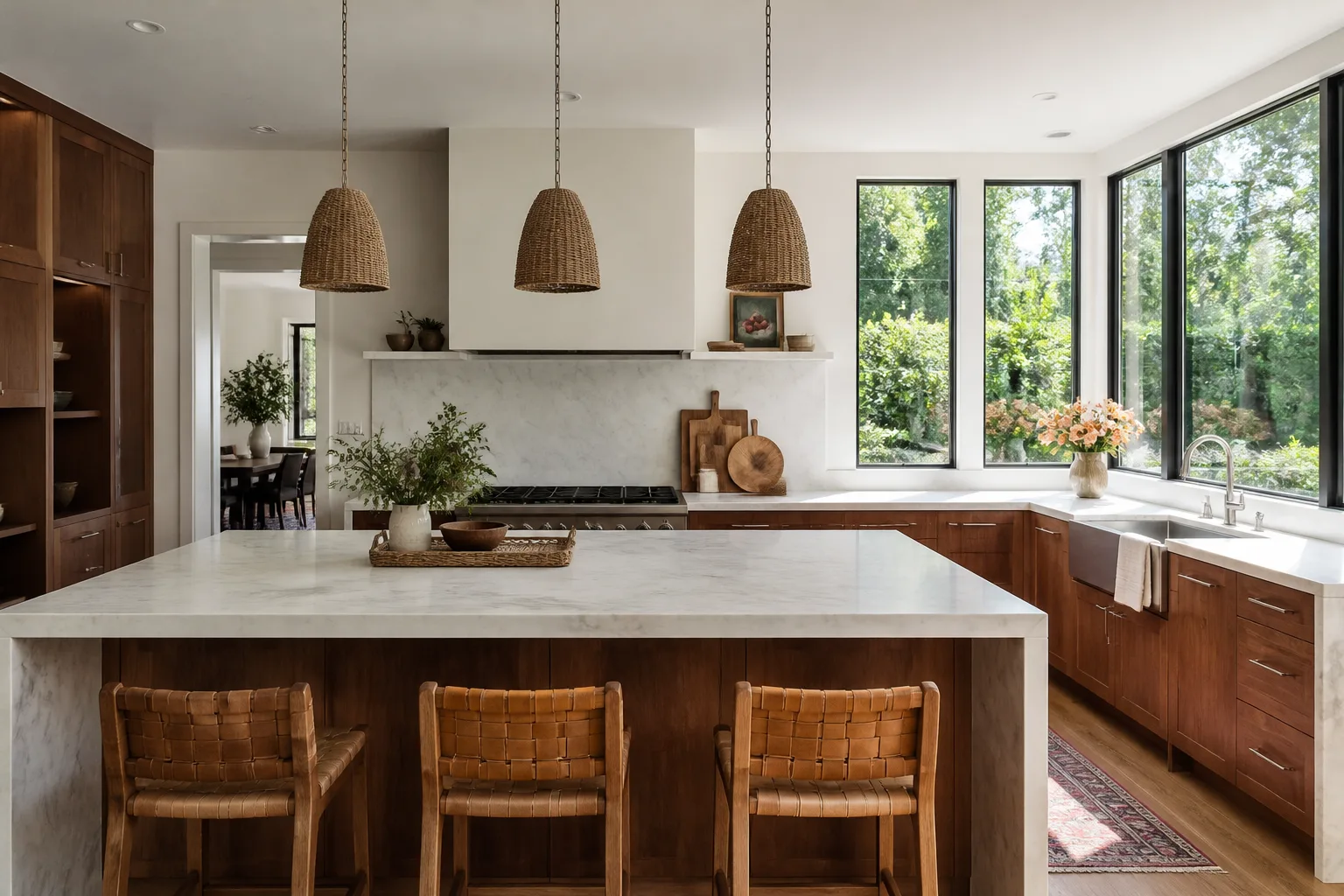
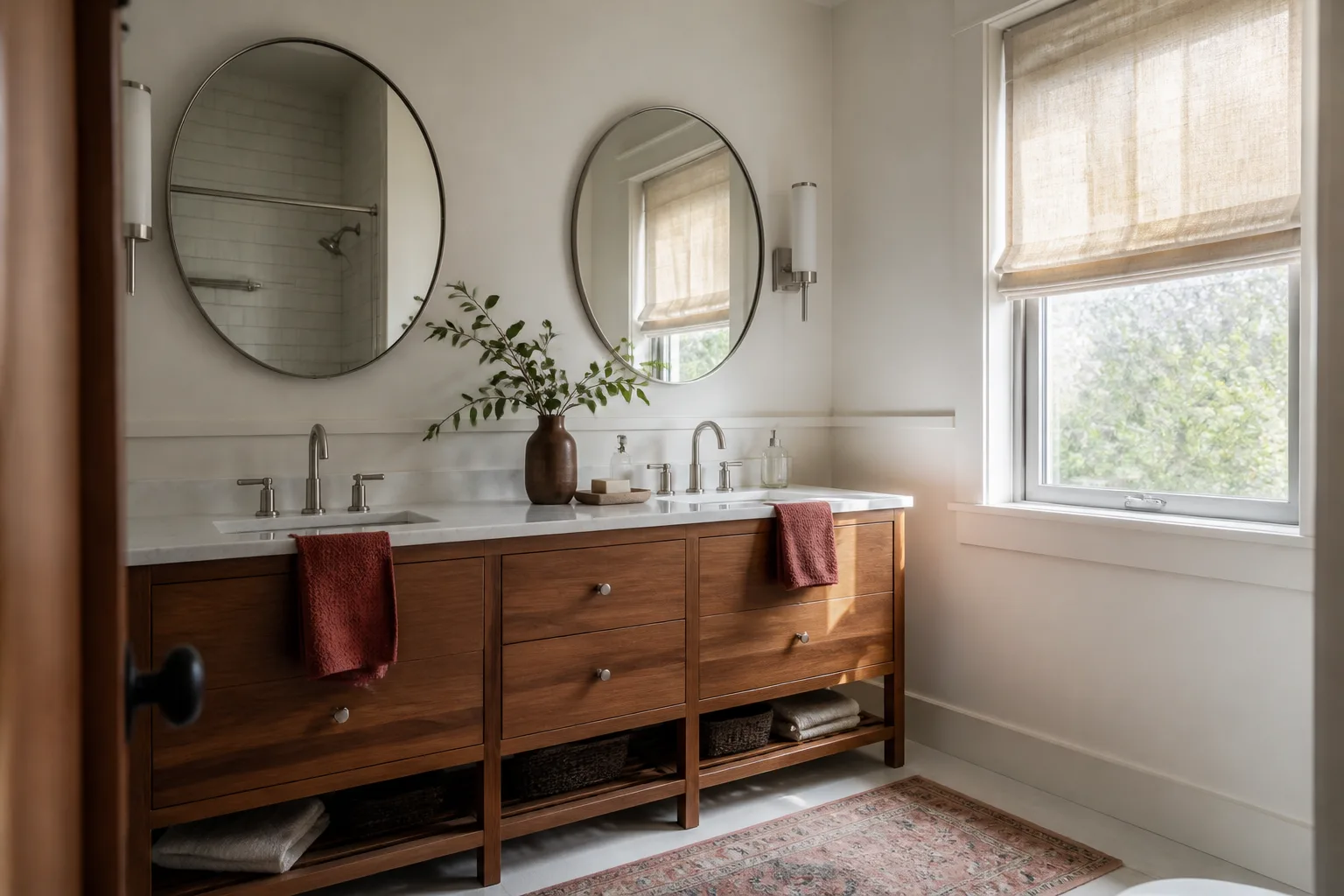
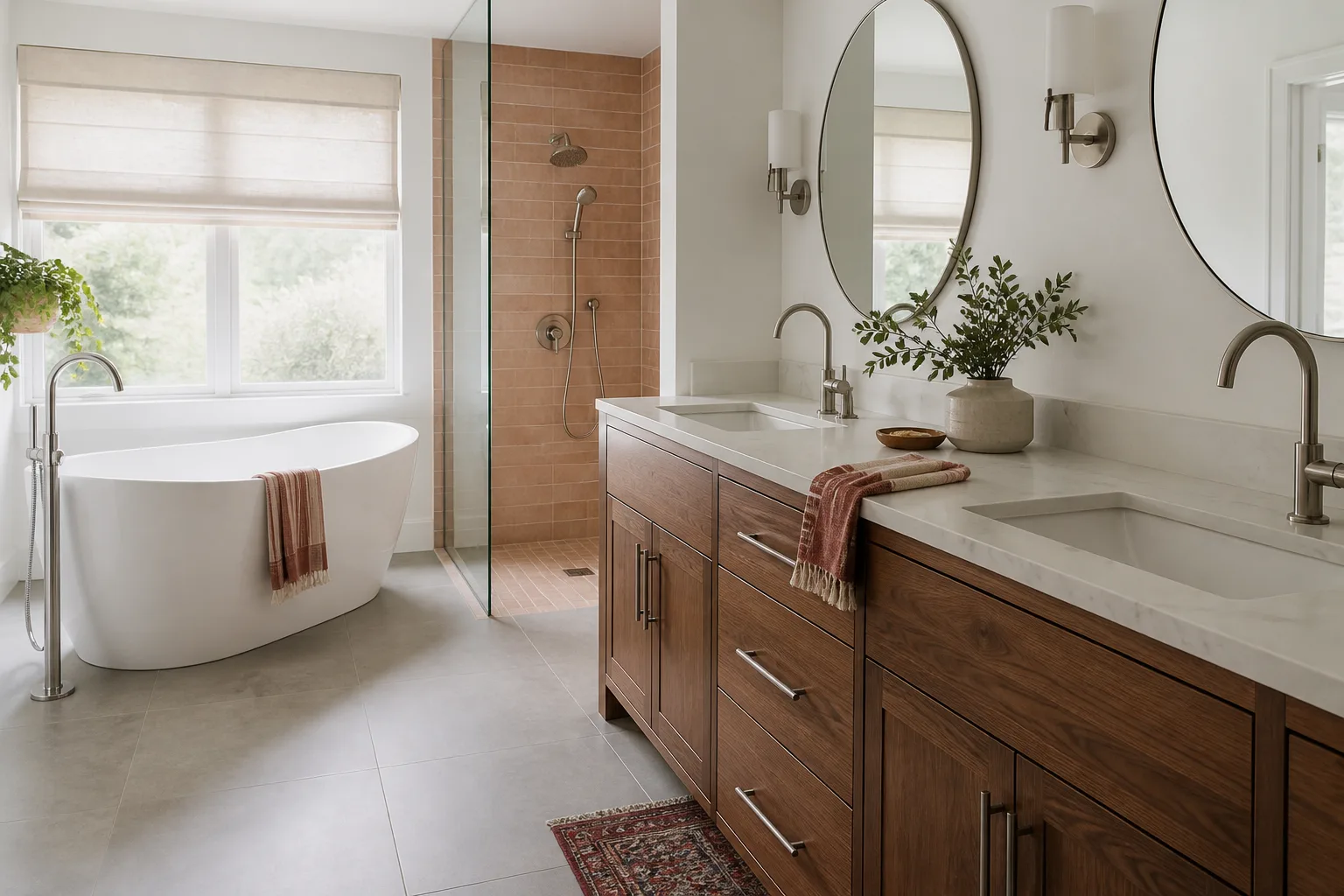
We don’t warehouse bagged Quikrete at our shop, and you shouldn’t want us to. Concrete mix has a shelf life, and we’d rather bring fresh material from a supply yard that turns inventory weekly than pull from a pallet that’s been sitting around. We do stock the tools, forms, and reinforcement materials needed to start fast, and we order Quikrete to the project spec once your permits are issued. We also work with KraftMaid, Cambria, and Silestone for the interior finishes on additions and ADUs, so the whole job moves under one written price.
Written by Trevor Nash, Owner, Penhallow Remodeling Orange County at Penhallow Remodeling Orange County, serving Orange County and nearby areas.


