
Free written scope consultation - allowances, timeline, and change-order rules on paper before a single trade is scheduled
Boxabl Home Additions & ADU: The Orange County Owner’s Guide
Boxabl home additions and ADU projects in Orange County typically run $45,000 to $130,000 installed, depending on whether you’re expanding square footage, converting garage space, or building out a detached accessory dwelling unit. If you’re reading this, you likely own a Boxabl product and have hit a snag, possibly a failed connection detail, a foundation mismatch on your intended ADU pad, or a plumbing stub-out that was never properly set for Orange County soil conditions. Here’s the straight answer: we diagnose Boxabl-specific expansion issues, match the right materials and attachment methods, and install the work with a written price before anything starts.
Most Boxabl owners in Orange County discover a problem when a contractor unfamiliar with prefab panelized construction quotes them a conventional stick-frame addition that ignores the structural tie-in points on their existing unit. That’s the call we get most often: someone has a Boxabl on a lot in Santa Ana or Garden Grove, wants to add square footage or a separate ADU, and the first bid they got made no mention of panel joints, factory-sealed corners, or the HUD-code tolerances that come with a factory-built shell. Trevor Nash has walked enough of these sites to know exactly where the disconnect happens, and it’s usually in the first ten minutes of looking at the original installation.
Which Boxabl Models This Applies To
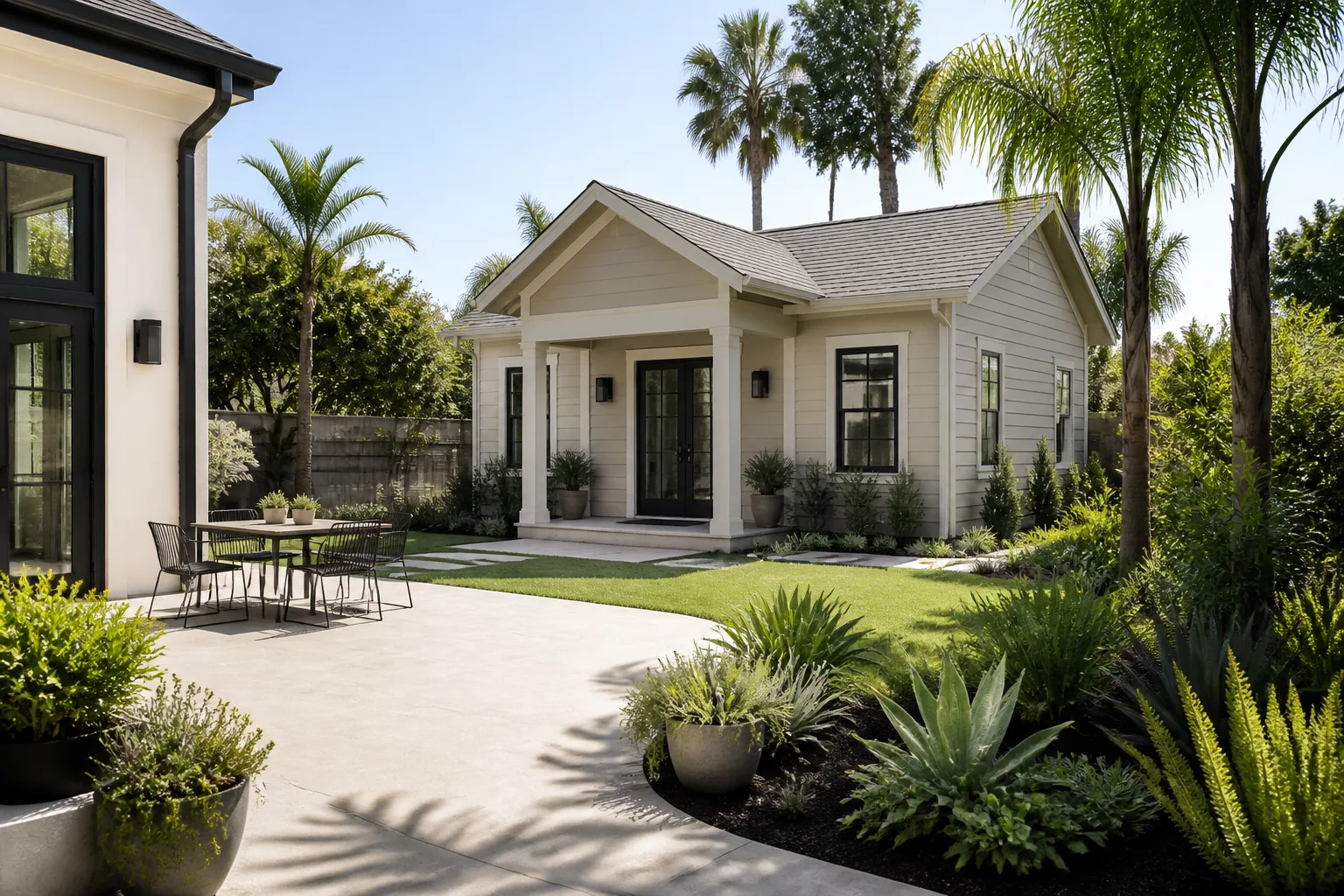
Boxabl’s Casita is the model we see most often in Orange County, but the expansion and ADU work we do applies to any Boxabl structure where the original panelized shell needs to tie into new foundation work, additional rooms, or a separate accessory unit. The key identification step is checking the serial plate on your unit’s exterior corner and the original site engineering packet that came with delivery. Those documents tell us the exact anchor pattern, the panel joint locations, and whether your unit was set on piers, a slab, or a raised foundation. That matters because a proper Orange County addition has to match the existing floor elevation within a fraction of an inch, and a garage conversion that butts against a Boxabl wall needs an expansion joint treated differently than one against conventional framing.
For Boxabl specifically, there’s no meaningful aftermarket for the panelized shell itself. The expansion work we do uses conventional Southern California building materials, Simpson Strong-Tie connectors, engineered lumber, and stucco or Hardie siding systems that work with the original Boxabl exterior. Some owners ask if we can order “extra panels” from the factory. The honest answer is that Boxabl doesn’t sell add-on panels to independent contractors, and any contractor who tells you they can get them is guessing. What a good Orange County expansion contractor does is build a conventional addition that ties into the Boxabl structure with proper flashing, matched floor height, and a clean roofline transition. That’s the work we specialize in.
One compatibility gotcha to know: Boxabl’s standard wall thickness doesn’t match a 2×4 or 2×6 framed wall. The panelized walls run thinner than conventional construction. That means every door, window, and electrical box at the transition point needs a custom trim detail or a furred-out wall section. If a contractor doesn’t mention this, they haven’t done a Boxabl addition before.
Styles & brands we work with







Signs Your Boxabl Home Additions & ADU Is Failing
- Separation at the roofline between the original unit and the addition. In Orange County’s wet winters and dry summers, materials expand and contract differently. If the roofline gap opens up more than a quarter inch, the flashing detail wasn’t done right, and water is already getting where it shouldn’t.
- Cracks in the stucco or siding at the transition wall. Boxabl panels flex differently than a framed wall. A hairline crack that’s stable in July and opens in January tells you the expansion joint at the tie-in point is undersized. This is the most common call we get from Irvine and Lake Forest owners a year or two after an addition goes in.
- Floor height difference between the original unit and the new space. You shouldn’t feel a step where the two structures meet. If you do, the slab or foundation for the addition was poured to the wrong elevation. Fixing that means more than a transition strip; it means structural work.
- Doors that stick or bind only during certain seasons. The Boxabl shell moves slightly with temperature swings. A door in the addition that binds in summer but swings free in winter means the header or rough opening wasn’t sized for that differential movement.
- Musty smell or visible water staining near the tie-in point after rain. Orange County doesn’t get much rain, but when it comes, it comes hard. The number one failure we find is improper flashing where the addition roof meets the original Boxabl wall. By the time you smell it, the framing behind the wall is already wet.
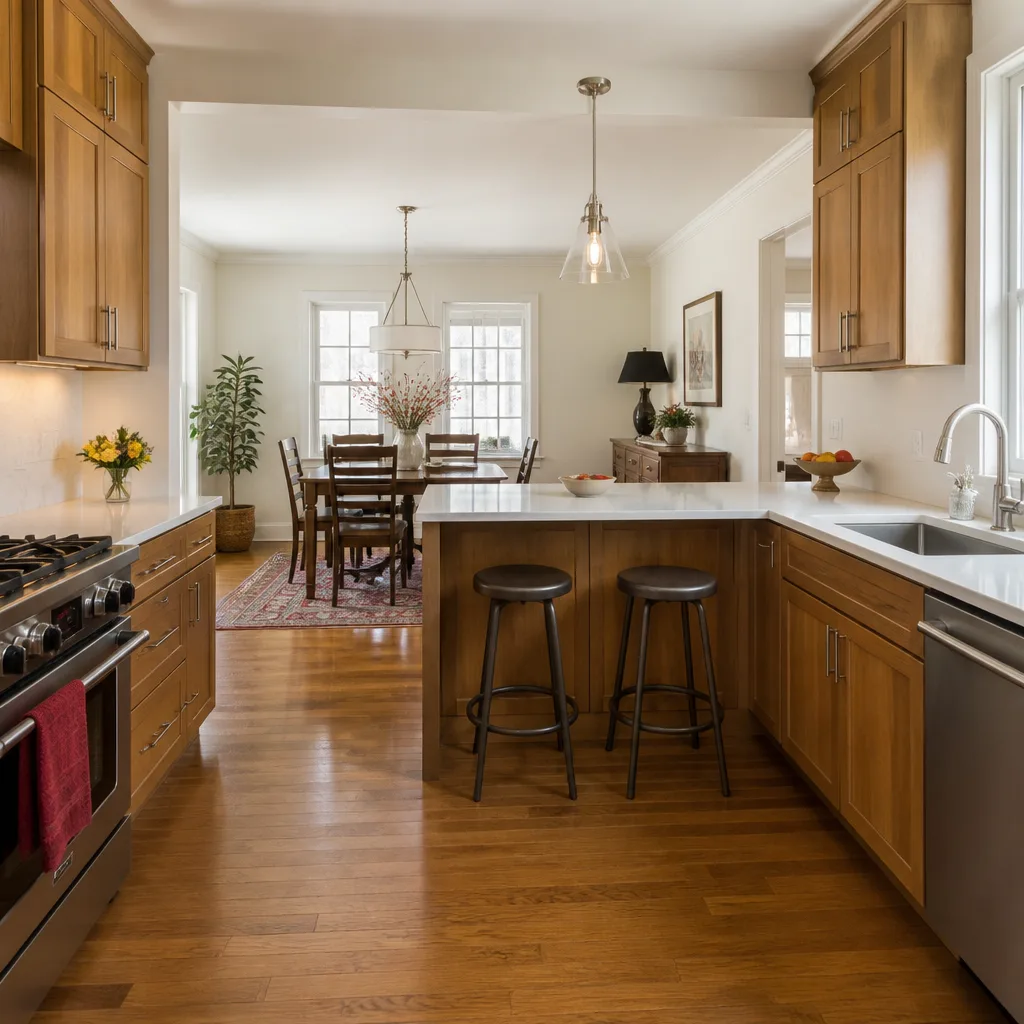
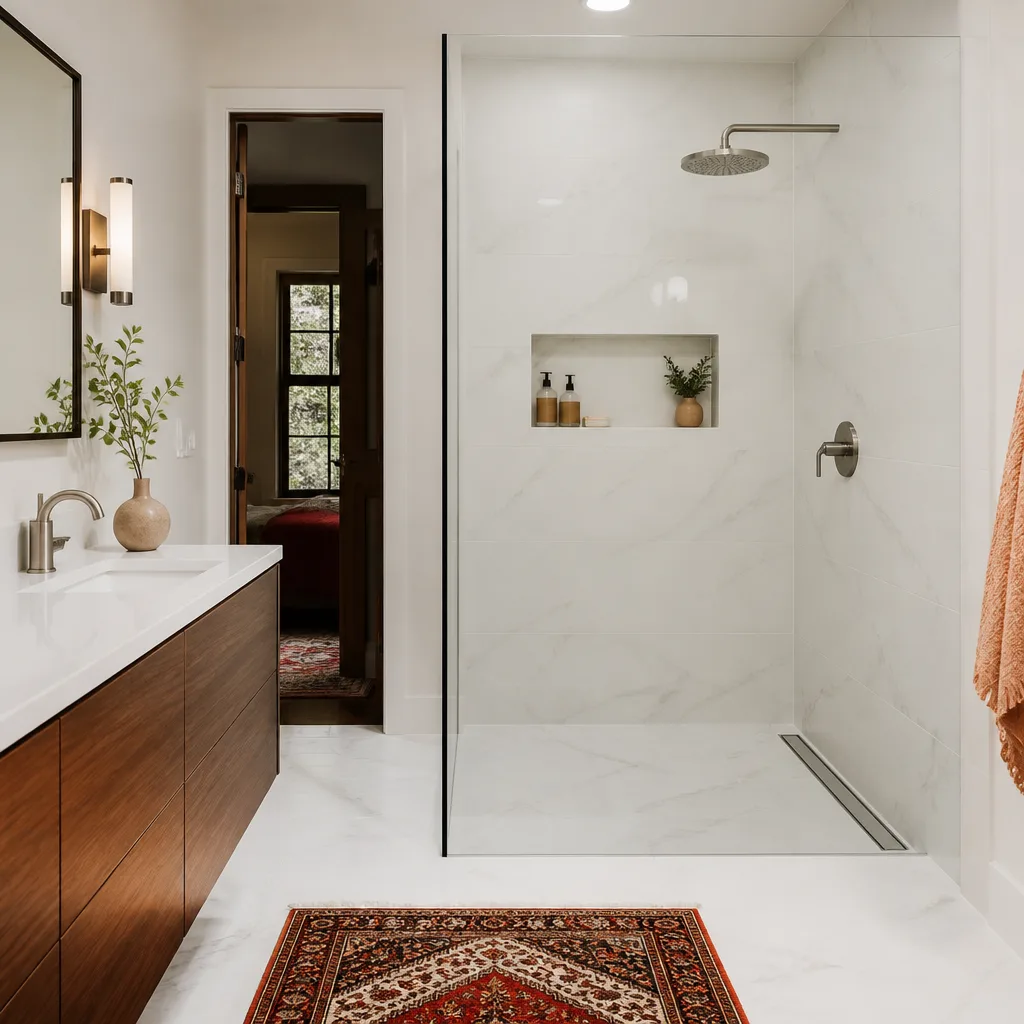
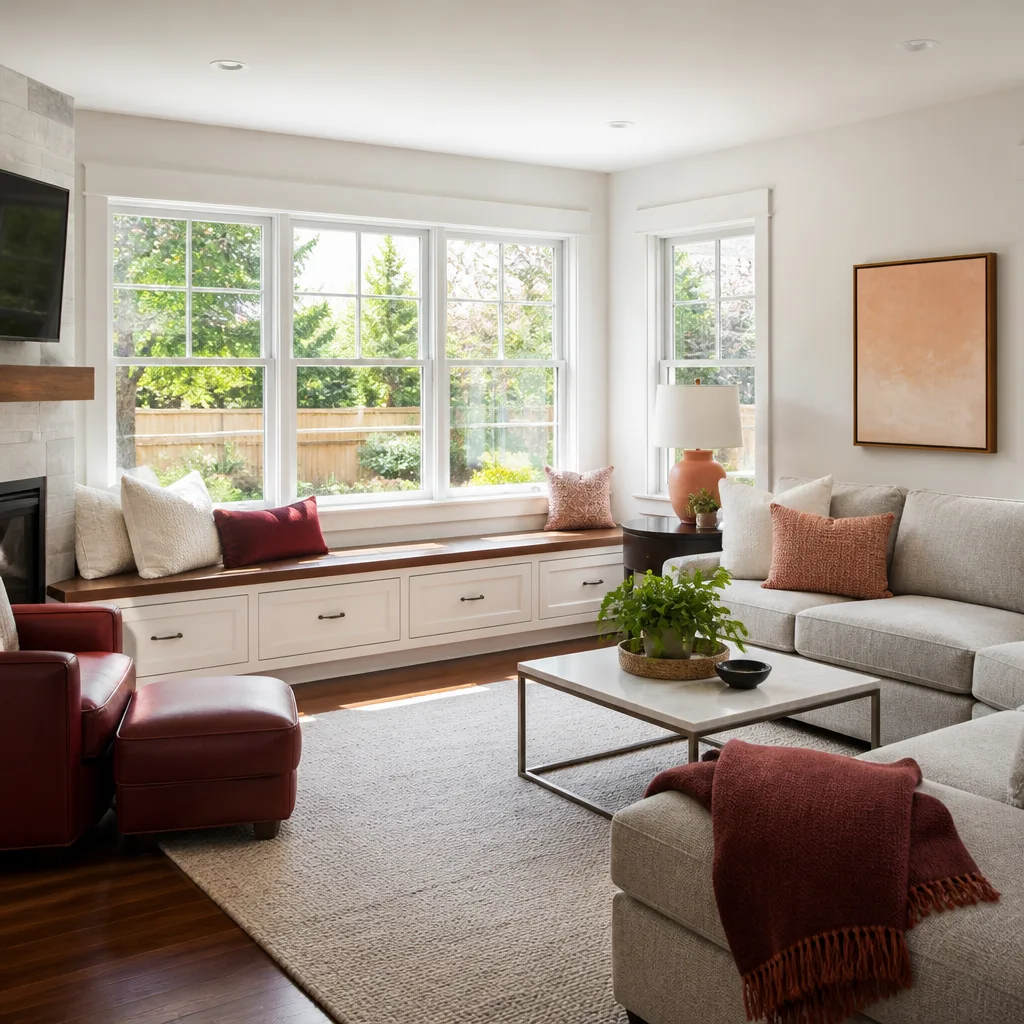
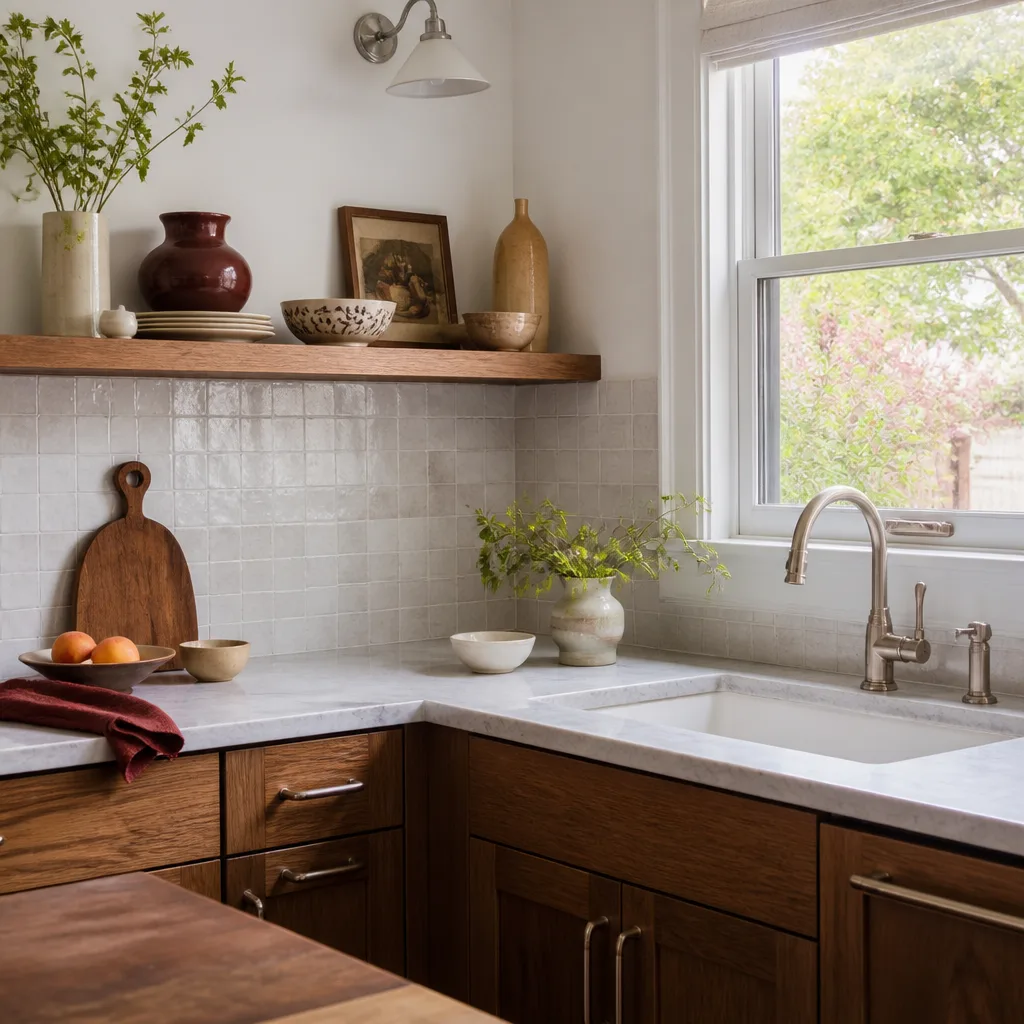
See the difference
 Before
 After
After Before
 After
After Before
 After
AfterReplacement Cost & What’s Included
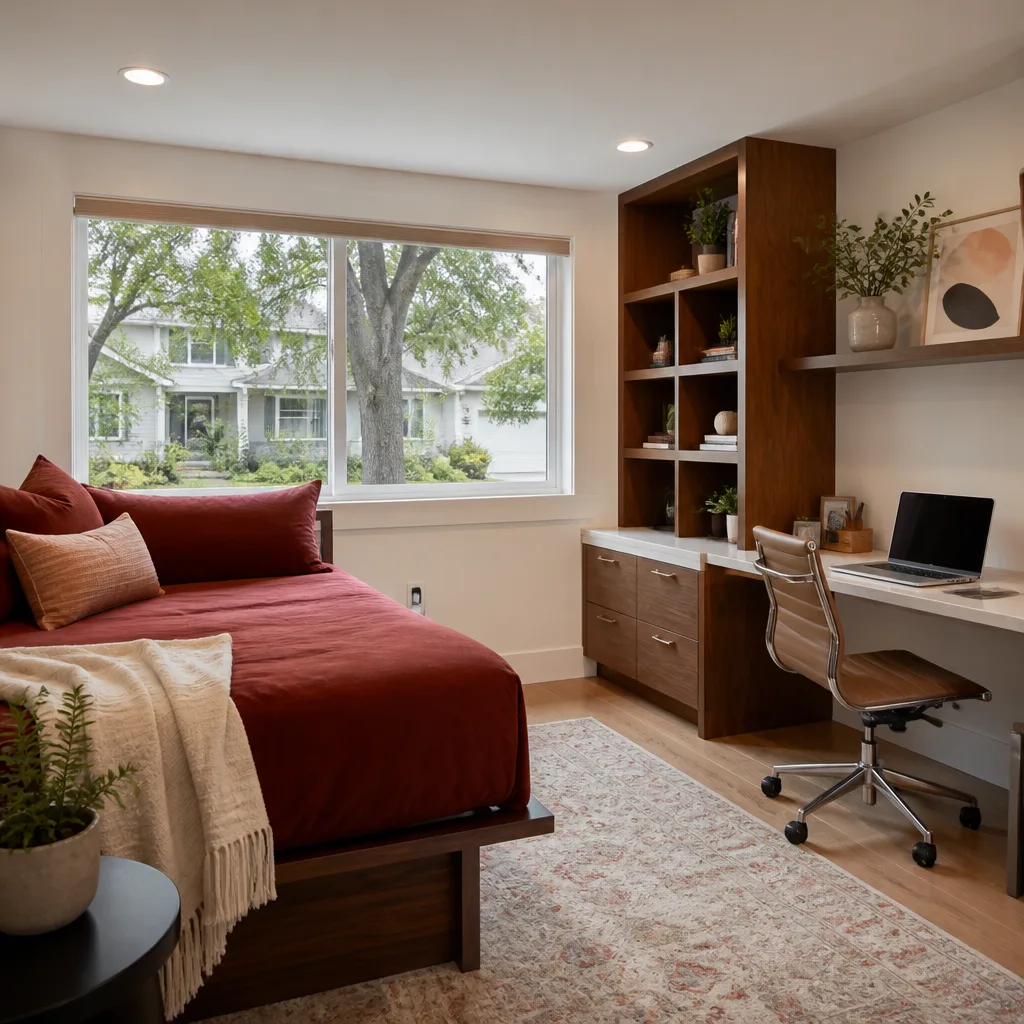
For a full Orange County home addition tied to a Boxabl unit, plan on $45,000 to $130,000. A detached ADU built from the ground up runs higher, usually $90,000 to $220,000 depending on whether it’s a garage conversion or new construction. A garage conversion on a lot with an existing Boxabl comes in around $30,000 to $80,000. What drives the range: foundation type and soil condition, whether the addition needs a new roof or can tie in under the existing eave, kitchen or bathroom work inside the new square footage, and permit fees that vary by city. Costa Mesa, Huntington Beach, and Newport Beach all have different ADU fee schedules.
Every job gets a written line-item price before we start. That number includes all materials, labor, permits, and the dumpster. It does not change once we open the wall unless you ask for something different. We install materials from brands we know hold up: James Hardie siding, Simpson Strong-Tie connectors, Kohler and Moen fixtures if the addition includes a bath. The workmanship warranty is in writing for 365 days. If something fails inside that window, we come back and fix it at no charge. No service call fee, no arguing about who’s responsible.
DIY or Call Us?
Here’s the honest split. You can safely check your original Boxabl site packet, measure the gap at any visible roofline transition, and check for water stains after a rain. That’s information gathering, and it’s useful. What you shouldn’t do is cut into a Boxabl panel to “investigate” or start pulling trim off a transition wall. The exterior shell carries structural load in a factory-built unit, and cutting into it without understanding the engineering can compromise the whole wall section. Same goes for any work involving the electrical feeds between the original unit and the addition; Orange County inspection requirements on electrical are strict, and a failed inspection costs you more than the initial electrician’s visit.
If you’re seeing any of the symptoms above, call us at (424) 541-1701. We’ll give you the number first, then pick up the tool. That’s how we run every job in Orange County, and it’s how we’d run yours.
FAQs
A properly tied-in addition should last 40 to 50 years for the structural framing and exterior, with finishes needing typical maintenance like repainting every 8 to 12 years in Orange County’s sun exposure. The weak point is almost always the flashing at the transition between the Boxabl shell and the new work, which is why that detail matters more than anything else we install. Call (424) 541-1701 if you want us to inspect an existing tie-in point.
Yes, in most cases. If the flashing failed early, we can remove the damaged section, replace the wet framing, install proper expansion joint material, and re-flash the transition without tearing down the whole addition. Costs for that repair work typically run $400 to $2,500 depending on how far the water traveled. If the foundation itself was poured wrong, that’s a different conversation entirely, and we’ll tell you straight what it costs before any work starts.
A tied-in addition runs 8 to 16 weeks from permit approval to final inspection, depending on the scope and which Orange County city handles the permits. A detached ADU generally runs 4 to 8 months. Weather delays are minimal in Orange County, but city plan-check times vary widely; Santa Ana and Anaheim move at different speeds than Irvine or Newport Beach. We handle the permits for you, and the timeline is in writing before we start.
We stock common transition materials, flashing, expansion joint profiles, and the Simpson Strong-Tie connectors we use most often on Boxabl tie-ins. What we don’t stock are Boxabl factory panels, because Boxabl doesn’t sell those to independent contractors. We’re an independent Orange County remodeling company, not affiliated with Boxabl, and we’ve built enough additions and ADUs around the county to know the materials that work. For KraftMaid cabinetry, Cambria countertops, or Silestone surfaces in your new space, we order those direct from the supplier, which usually takes 2 to 4 weeks.
Written by Trevor Nash, Owner, Penhallow Remodeling Orange County at Penhallow Remodeling Orange County, serving Orange County and nearby areas.


