


Free written scope consultation - allowances, timeline, and change-order rules on paper before a single trade is scheduled
Sterling Home Additions & ADU: The Orange County Owner’s Guide
If you’re researching Sterling home additions and ADU work in Orange County, the honest starting number is this: a full home addition typically runs $45,000 – $130,000, and an ADU construction falls in the $90,000 – $220,000 range depending on square footage, foundation work, and finishes. We’re Penhallow Remodeling Orange County, and while we’re not affiliated with Sterling, we work on Sterling-fit projects throughout Orange County and can walk you through the exact scope, permit path, and written price before any work begins. Most homeowners in Orange County reach out to us after a previous contractor quoted them an addition, tore into the project, and then the price changed. The failing “part” here isn’t a single component you can swap off a shelf. It’s usually the original design, the permit set, or the structural connection between old framing and new. We fix that with a written number and a written guarantee.
Call (424) 541-1701 to schedule a free estimate. Trevor Nash will give you the number first, then pick up the tool.
Which Sterling Models This Applies To

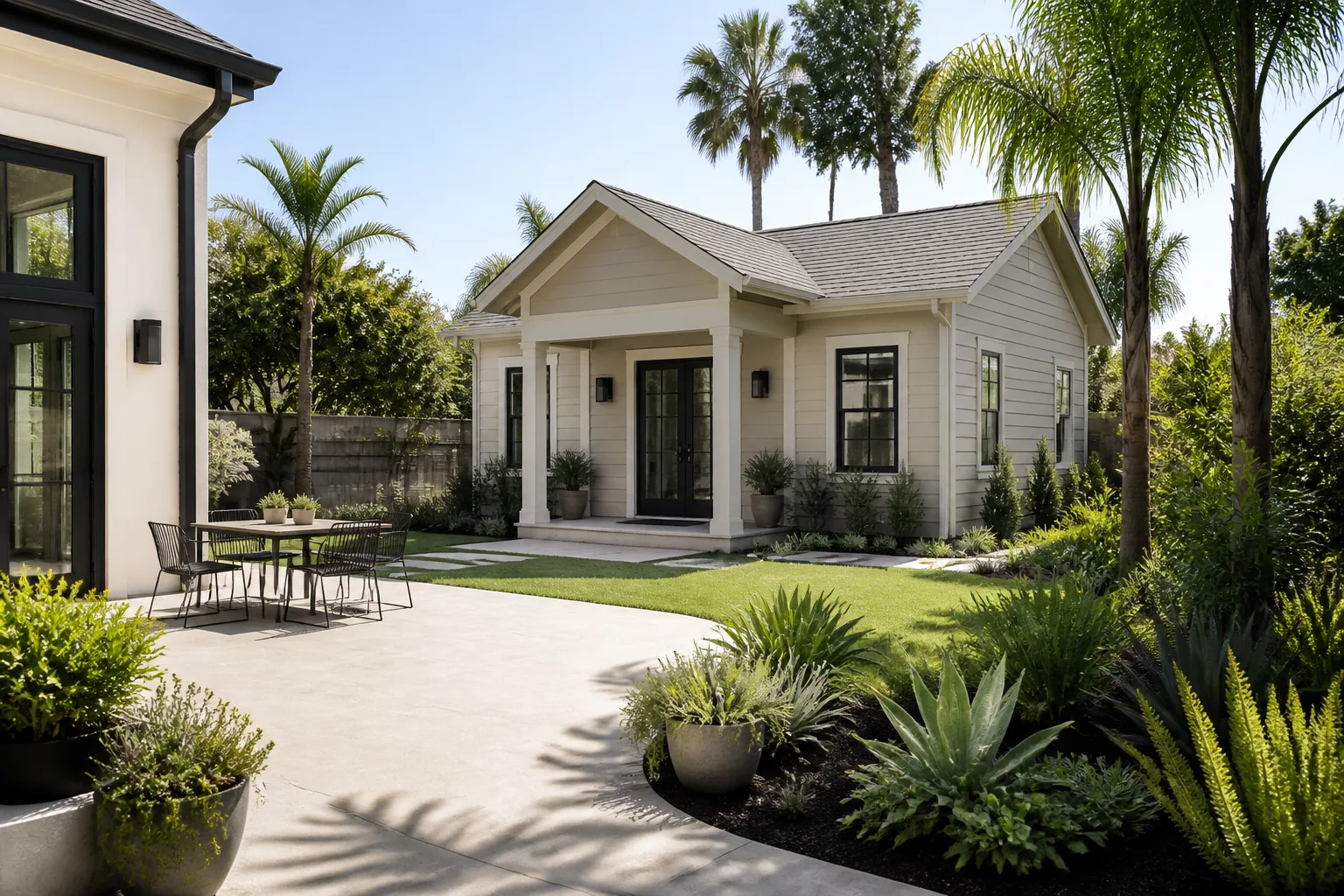
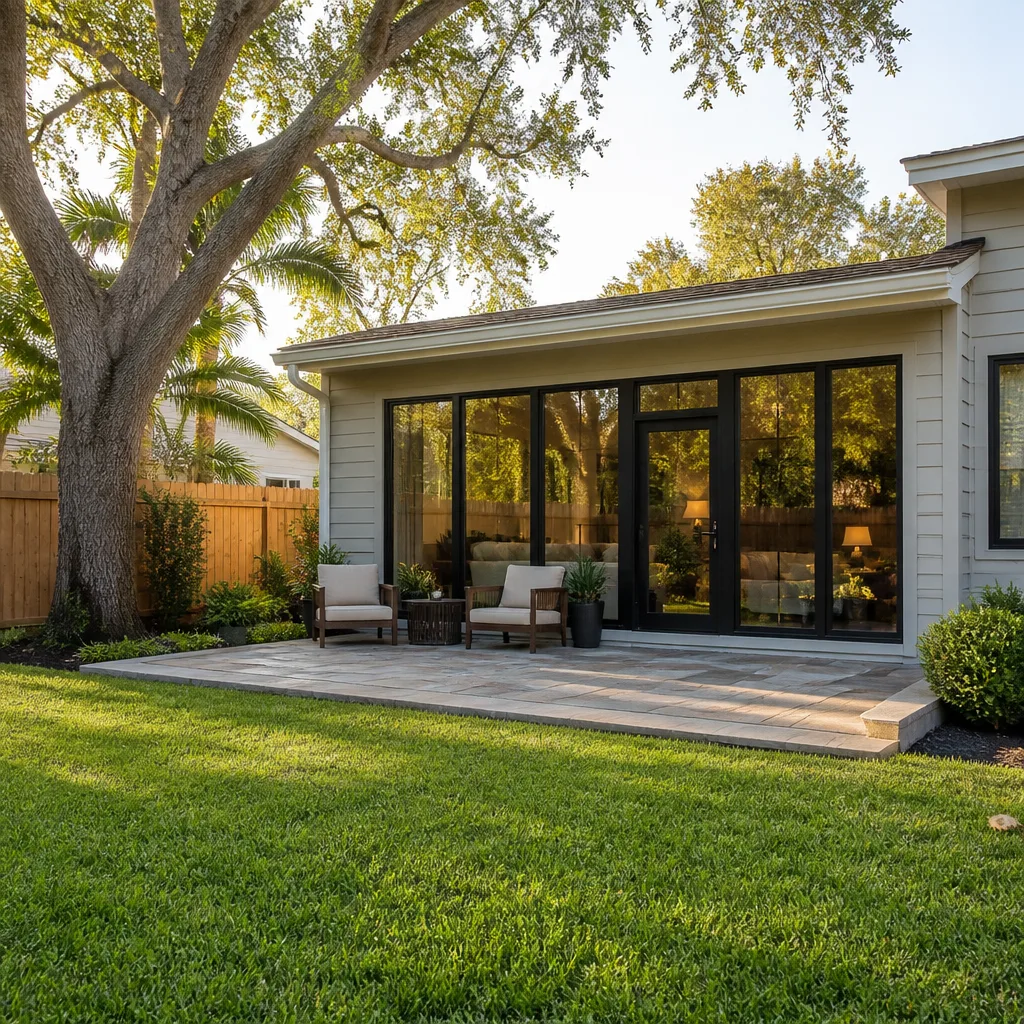
Home additions and ADU projects aren’t model-number specific the way a faucet cartridge or cabinet hinge is. What matters is how the new structure ties into your existing home. In Orange County, we see two dominant scenarios. The first is a single-story addition off the back or side of a 1960s – 1990s ranch or two-story, common in Irvine neighborhoods near the Spectrum where the original homes were built tight to the lot line. The second is a garage conversion or detached ADU where the slab, roofline, and utility runs need to be matched to the main house.
The key spec to check before anyone quotes you: rafter size and spacing in the existing roof. Most Orange County homes from that era use 2×6 rafters at 24 inches on center. When an addition ties into that roofline, you either match the framing or you’re engineering a structural transition. That transition is where a lot of low bids quietly skip a beam. We don’t. Another compatibility detail that trips up Orange County owners: setback requirements. A detached ADU in Irvine, Anaheim, or Santa Ana has different rear and side yard rules than an attached addition. The city you’re in changes the price. That’s not a vague estimate problem. That’s a real permitting line item.
On the OEM-versus-aftermarket question for Sterling work: there is no “OEM addition.” There’s timber, concrete, shear wall, and roofing that meets California Building Code and your city’s local amendments. What matters is whether the materials carry their own documented warranties. We pull from recognized trade brands like James Hardie for siding, Therma-Tru for exterior doors, and GAF or Owens Corning for roofing. Each carries a manufacturer’s warranty that layers on top of our written 365-Day Done Right Promise.
Styles & brands we work with







Signs Your Sterling Home Addition & ADU Is Failing
- Cracks at the tie-in point. Where the new roofline or wall meets the old one, you see stair-step cracking in stucco or drywall. This usually means the transition wasn’t structurally supported, or the foundation settled differently than expected. In Orange County’s clay-heavy soil, differential settlement is more common than people think.
- Floor slope you can feel. You walk from the original home into the addition and the floor dips or rises an inch or more. That points to a slab or pier-and-beam issue that should have been caught during layout.
- HVAC imbalance. The addition is always ten degrees hotter in summer or colder in winter than the rest of the house. This usually means the original HVAC system was extended beyond its designed capacity without a proper load calculation.
- Water intrusion at the seam. After a good Orange County rain, you see staining, bubbling paint, or moisture at the joint where the addition meets the exterior wall. This is often a flashing failure at the tie-in, not a roof leak in the middle of the field.
- Door or window sash bind. An exterior door in the addition starts dragging against the jamb, or a window won’t close square. That suggests racking in the framing, often from inadequate shear wall or missing hold-downs.
See the difference
 Before
 After
After Before
 After
After Before
 After
AfterReplacement Cost & What’s Included

In Orange County, home additions run $45,000 – $130,000, and ADU construction runs $90,000 – $220,000. Here’s what drives the number:
- Square footage and foundation. A slab-on-grade addition costs less than one requiring piers, deep footings, or retaining work. Hillside lots in Orange County, especially in areas like Tustin or Yorba Linda, add real money.
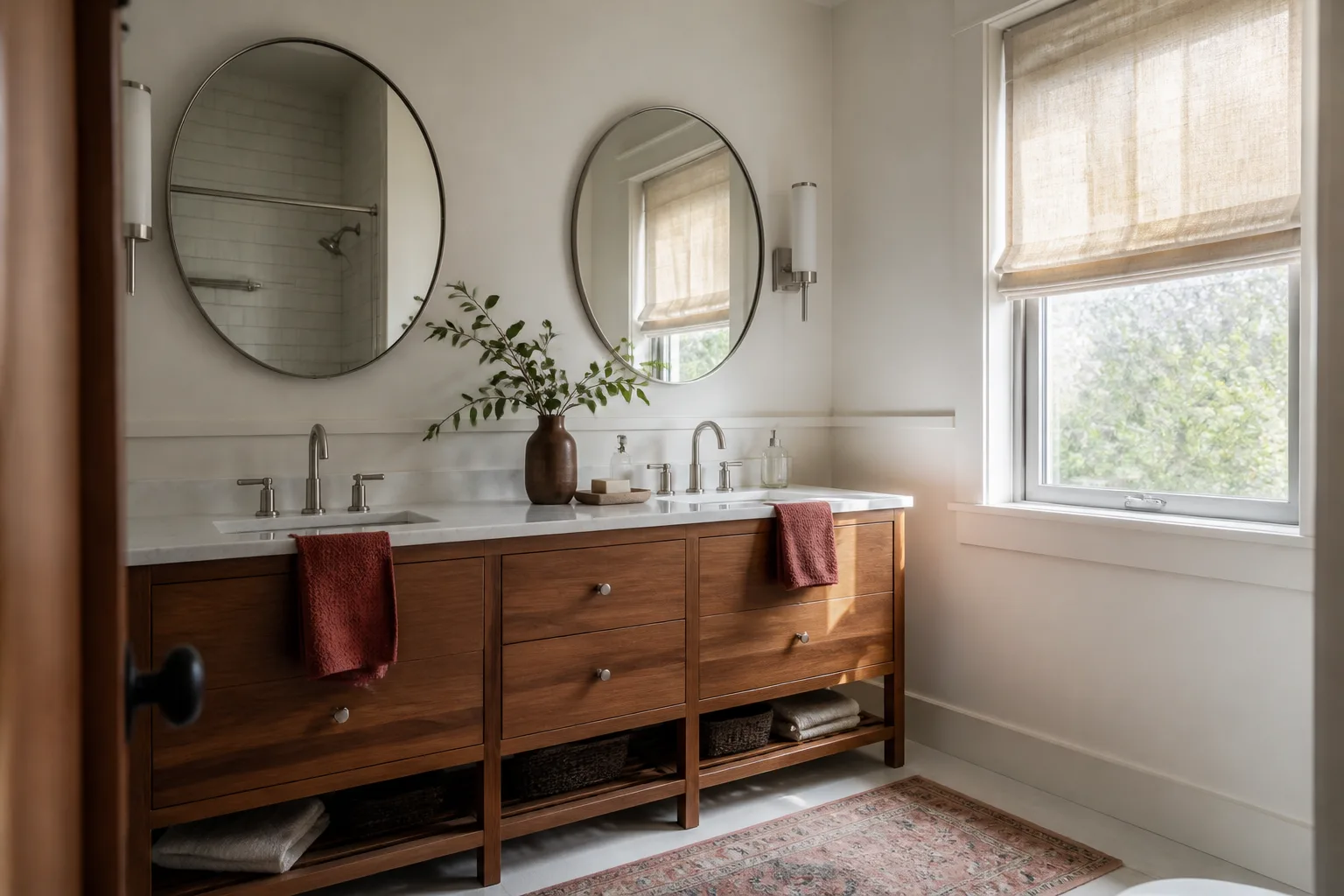
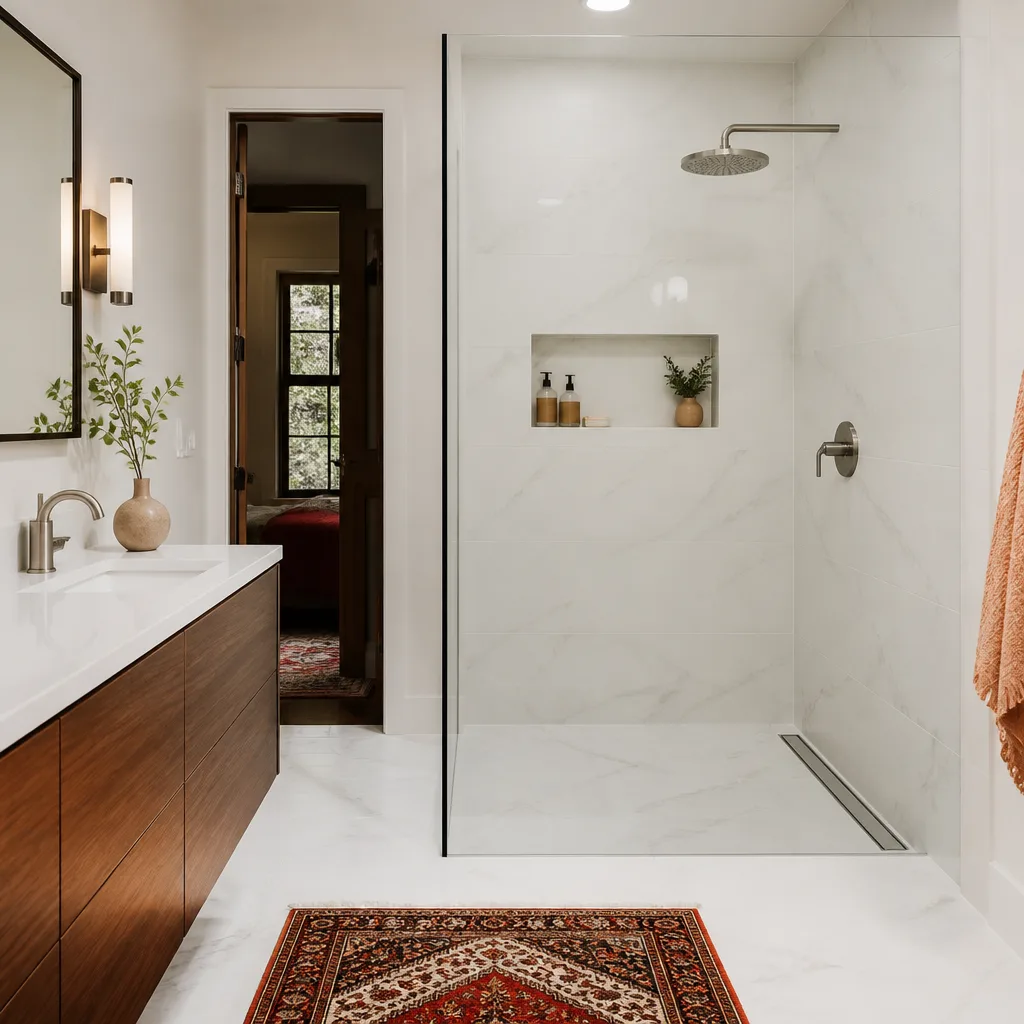
- Kitchen or bath tie-in. If the addition includes a bathroom or expands the kitchen, you add plumbing, gas line, and often a new subpanel. That can push a $45,000 shell addition toward $90,000 – $130,000 fast.
- Roof matching. Tying into an existing tile roof costs more than matching a composition shingle roof. The skill to blend old and new tile without a visible seam is specific, and it’s worth paying for.
- Permits and engineering. We pull permits and pass inspections on every job. That means stamped structural drawings, Title 24 energy compliance, and city plan check fees. That’s included in our written price, not added later.
Every quote from Penhallow Remodeling Orange County is a written price. Not a range, not a verbal ballpark. The number on day one is the number on the invoice. And every project carries the 365-Day Done Right Promise: if it’s not done right, we make it right, in writing.
DIY or Call Us?
An addition or ADU is not a do-it-yourself project, and if anyone tells you otherwise, walk away. This is structural framing, foundation work, roofing, and electrical. A mistake here isn’t a cosmetic problem. It’s a safety problem. You can certainly do the legwork: check your city’s setback rules online, pull your lot dimensions, and look at existing rafter sizes if you can access the attic. But the actual framing, foundation, and tie-in work belongs in the hands of a licensed, insured crew. Our technicians are background-checked, uniformed, and the same crew shows up every day until the job is done.
If you’re in Orange County and you want someone to walk the site with you, explain what’s realistic, and hand you a written number before anything gets torn out, call (424) 541-1701.
FAQs
Most additions take four to six months from the first day of demolition to final inspection, with permitting taking two to four months before that. ADU projects often run five to eight months depending on utility work. Call (424) 541-1701 and we’ll give you a realistic timeline in writing.
Yes, in many cases. A failed tie-in can often be corrected by exposing the framing, adding proper shear wall and hold-downs, and re-flashing the seam. It’s not cheap work, but it’s far less than a full rebuild. We’ll give you both numbers in writing so you can decide with real information.
We pull all permits and pass all inspections. That’s included in our price. Orange County cities vary in their plan check timelines, but we manage the entire process from submittal to final sign-off.
Yes. If your addition includes a kitchen or bath, we install KraftMaid cabinetry, Cambria and Silestone countertops, and we also work with Caesarstone. Each carries its own manufacturer warranty alongside our written guarantee.
Written by Trevor Nash, Owner, Penhallow Remodeling Orange County at Penhallow Remodeling Orange County, serving Orange County and nearby areas.


